Chemistry
Matter, reactions, solutions and electrochemistry
Primary school1/7
 Coming soon
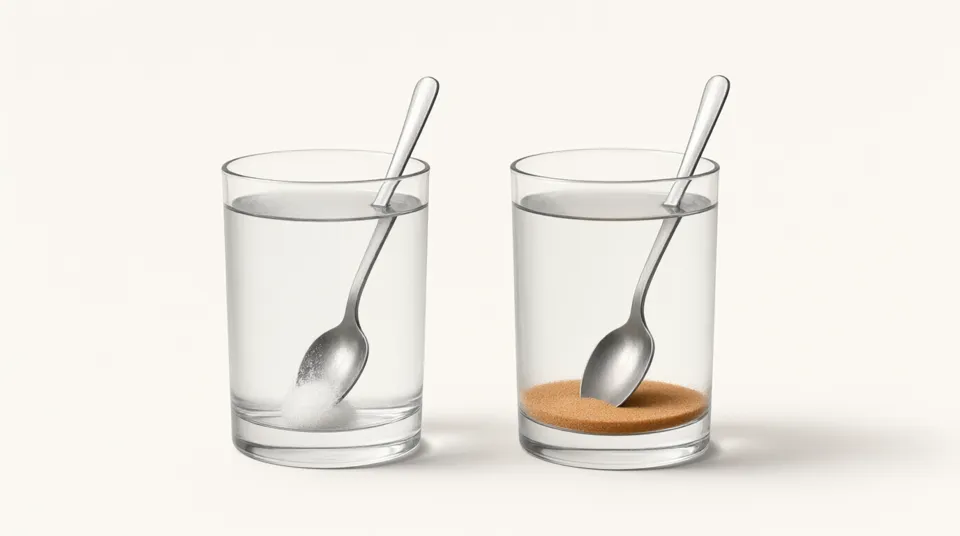
Dissolving
Stir sugar and sand into water and see what disappears
 Coming soon
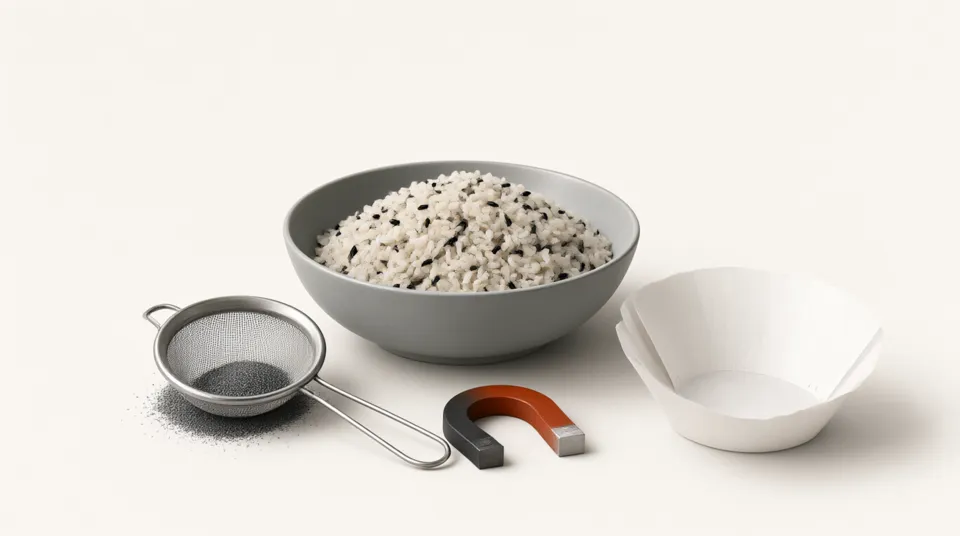
Separating Mixtures
Use a sieve, a magnet and a filter to sort a mixture
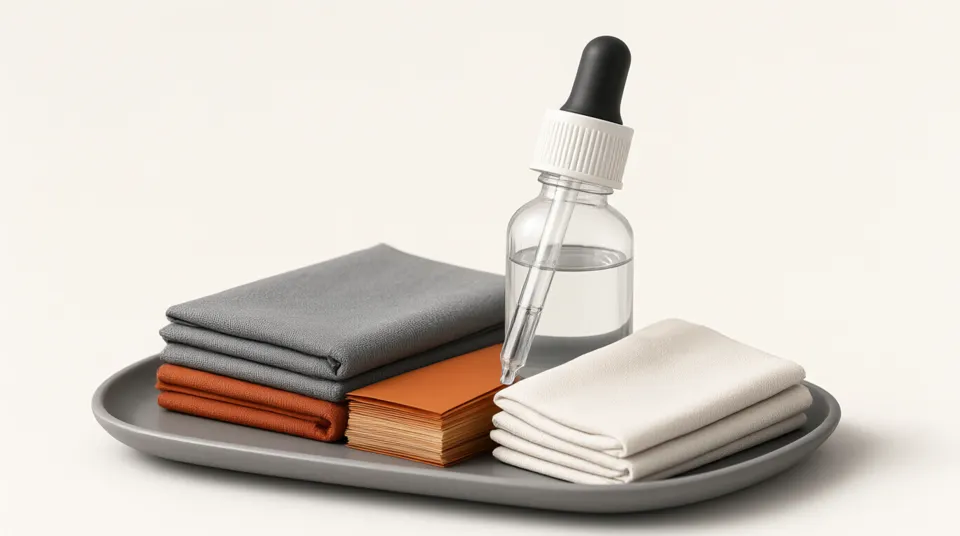 Coming soon
Properties of Materials
Test materials for hardness, flexibility and waterproofing
 Coming soon
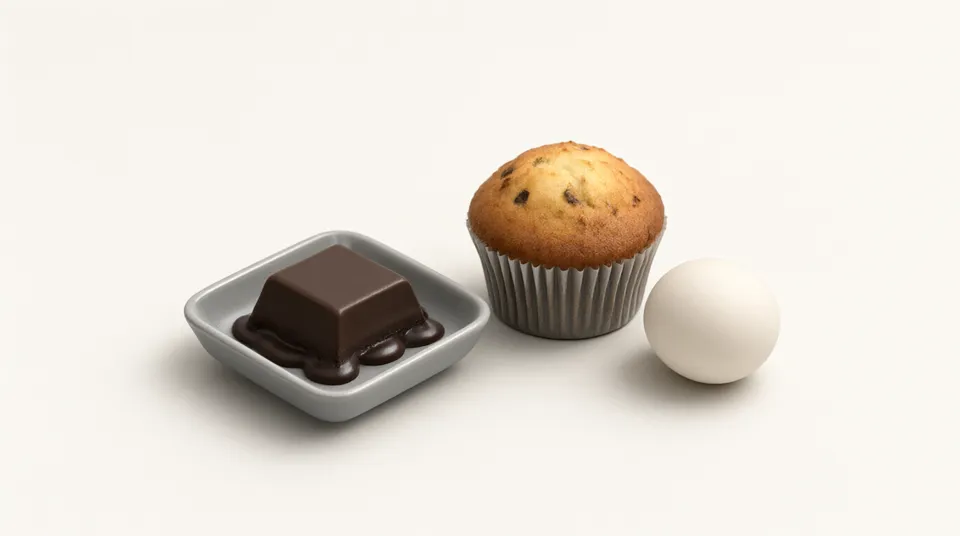
Reversible and Irreversible Changes
Compare melting chocolate with baking a cake
 Coming soon
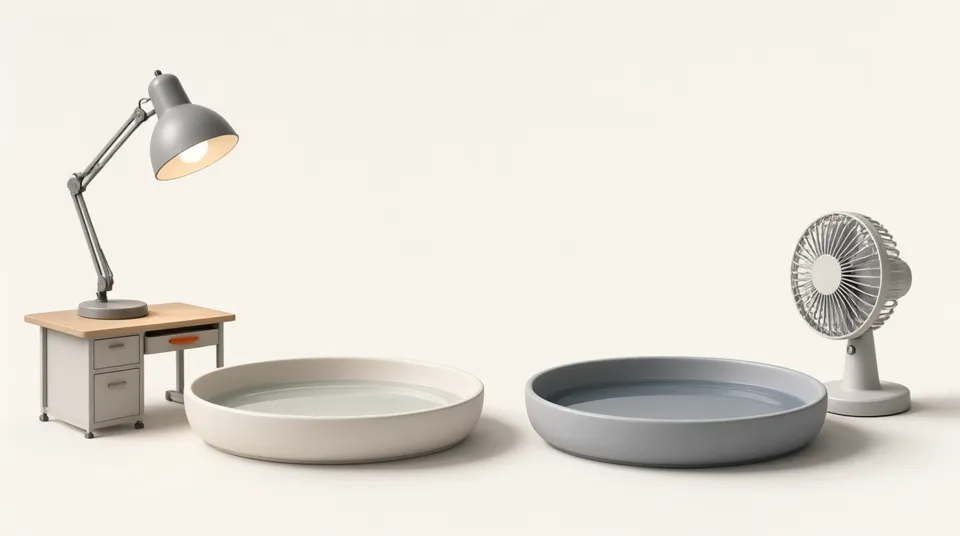
Evaporation
Watch puddles dry faster in sun and wind
 Coming soon
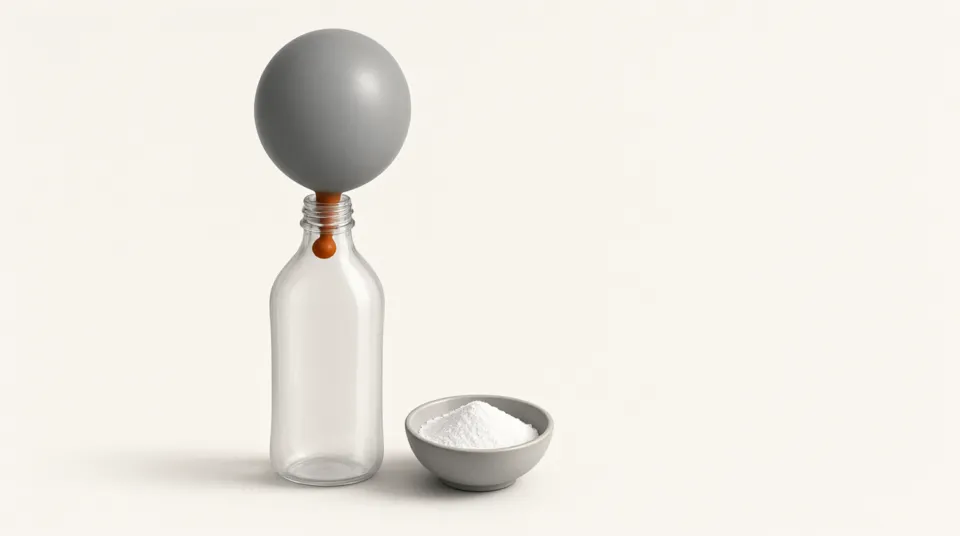
Fizzing Reactions
Mix vinegar and baking soda and catch the gas in a balloon
Middle school6/28
 Free
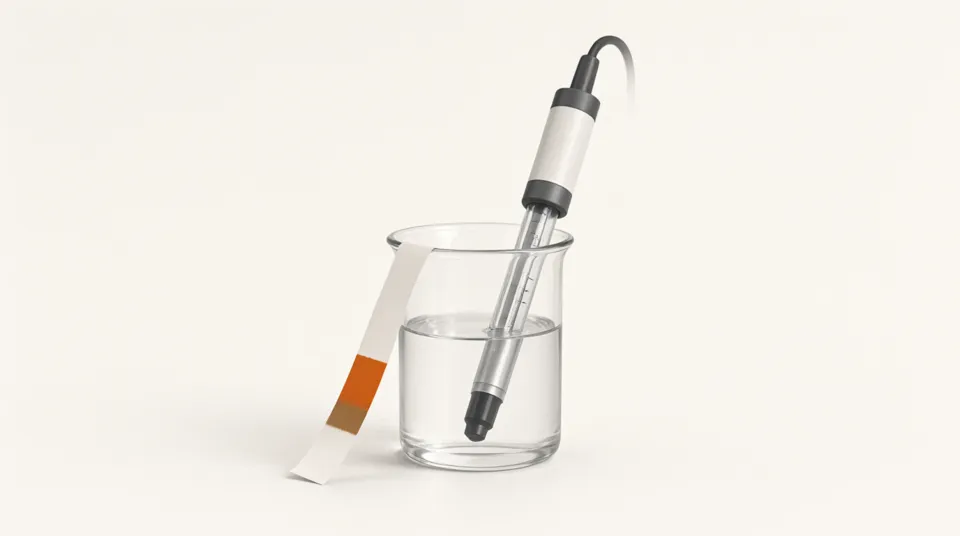
Measuring pH
Test everyday liquids with indicators and a pH meter
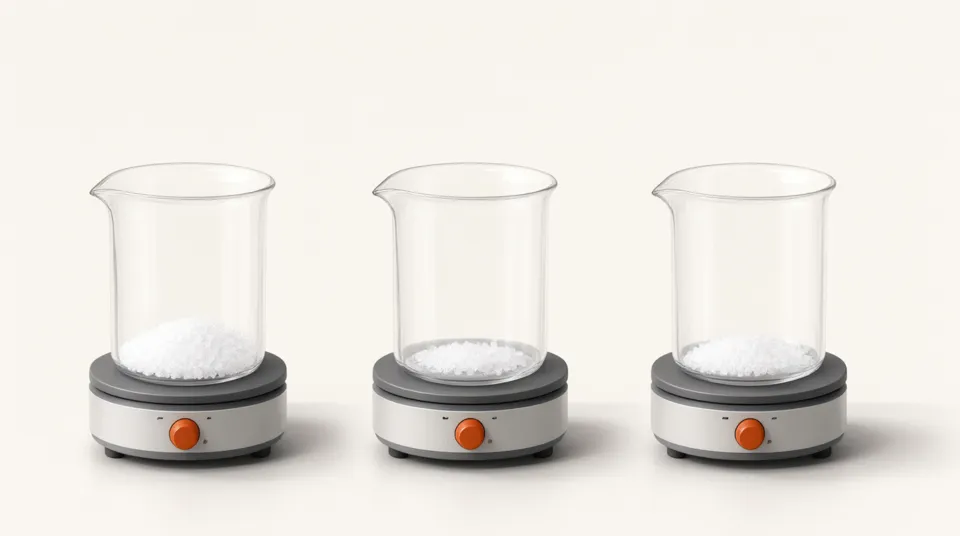
Solubility Curves
Change temperature and solute and observe dissolving
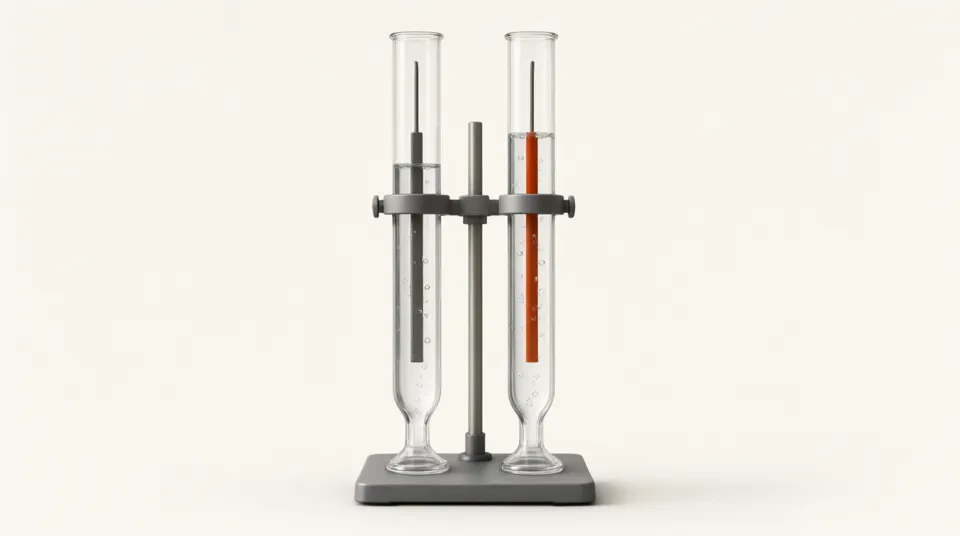
Electrolysis of Water
Watch electrode bubbles and the gas volume ratio
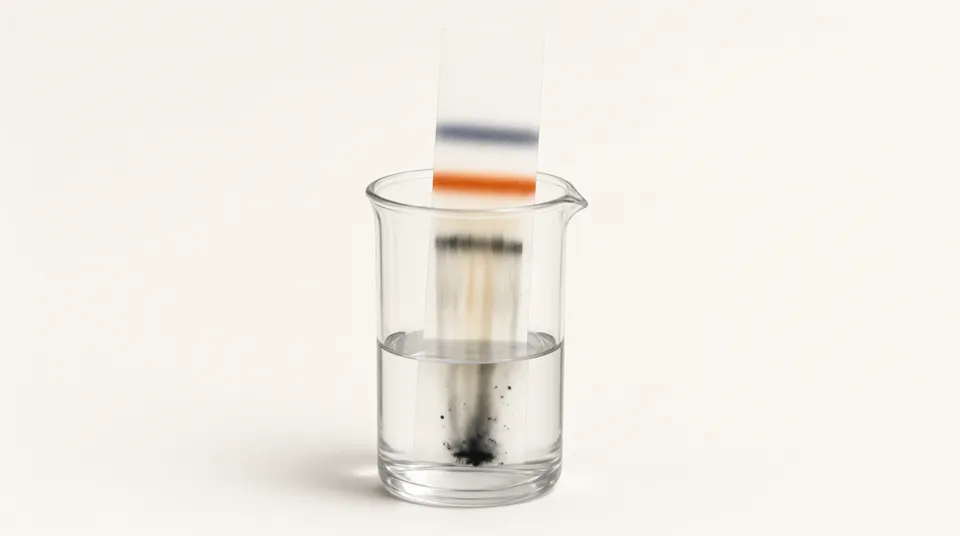
Paper Chromatography
Separate ink dyes on filter paper
 Free
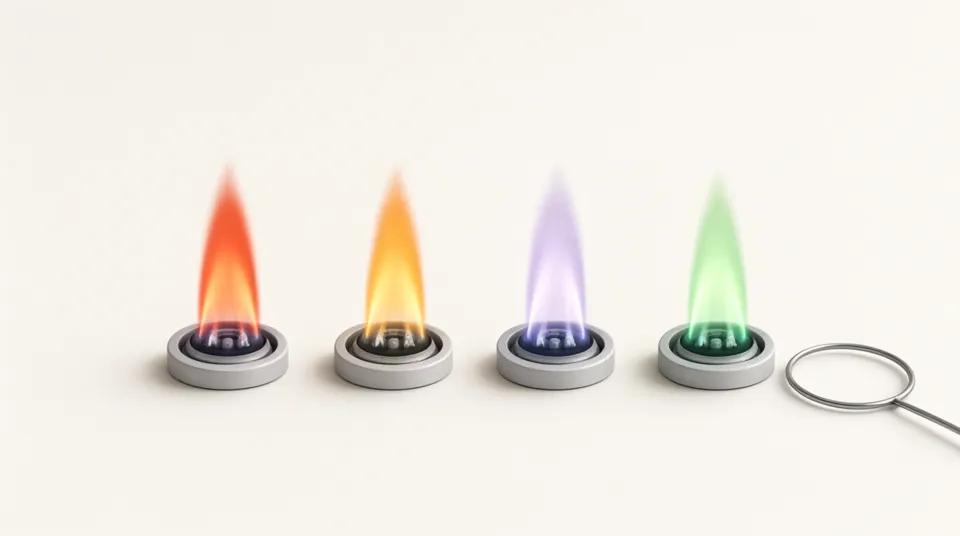
Flame Tests
Hold metal salts in a flame and compare the colors
 Free
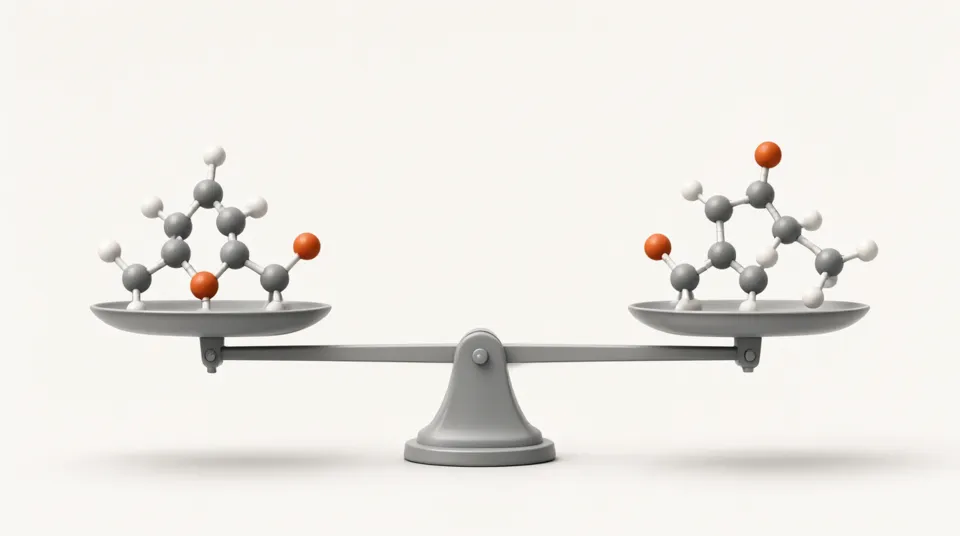
Balancing Chemical Equations
Adjust coefficients until the atoms match
 Coming soon
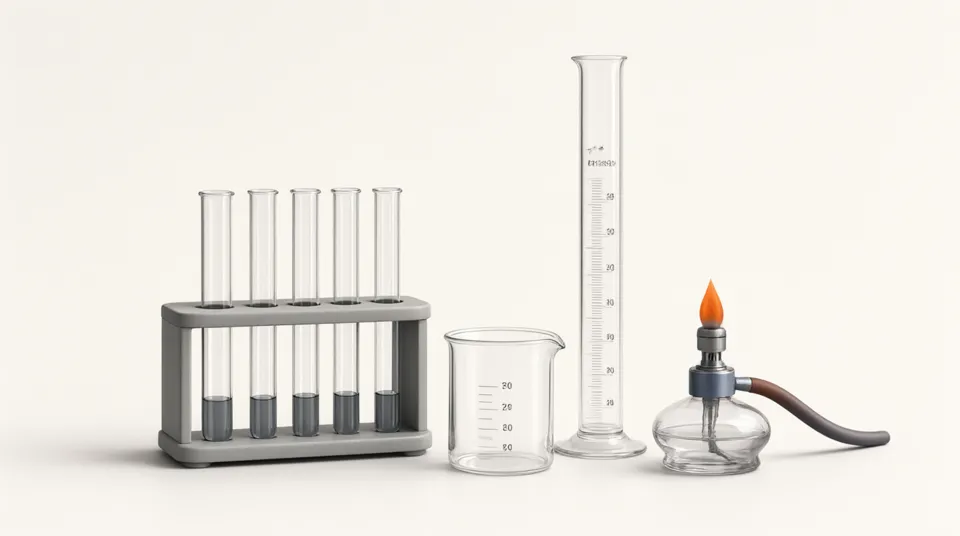
Lab Equipment
Drag test tubes, beakers and burners into place
 Coming soon
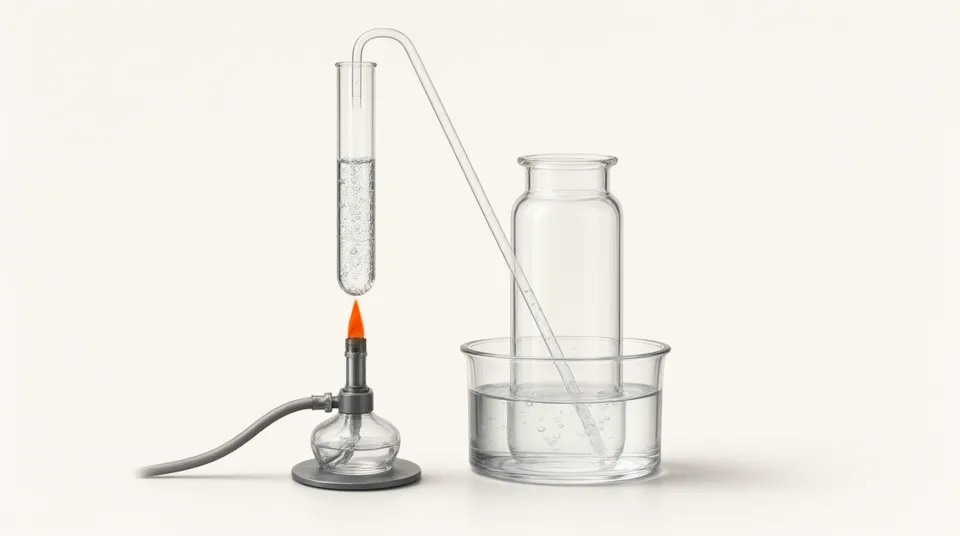
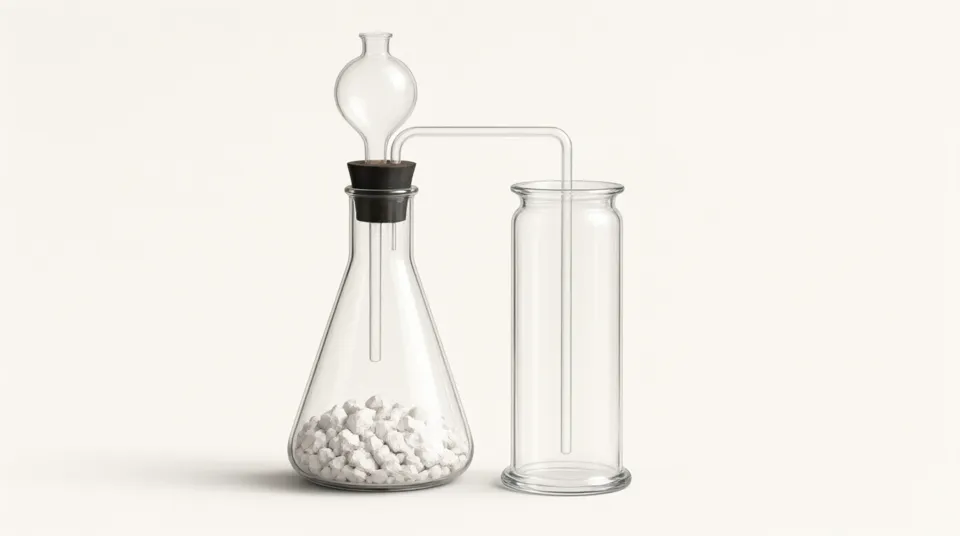
Preparing and Collecting Oxygen
Choose reagents, apparatus and collection method
 Coming soon
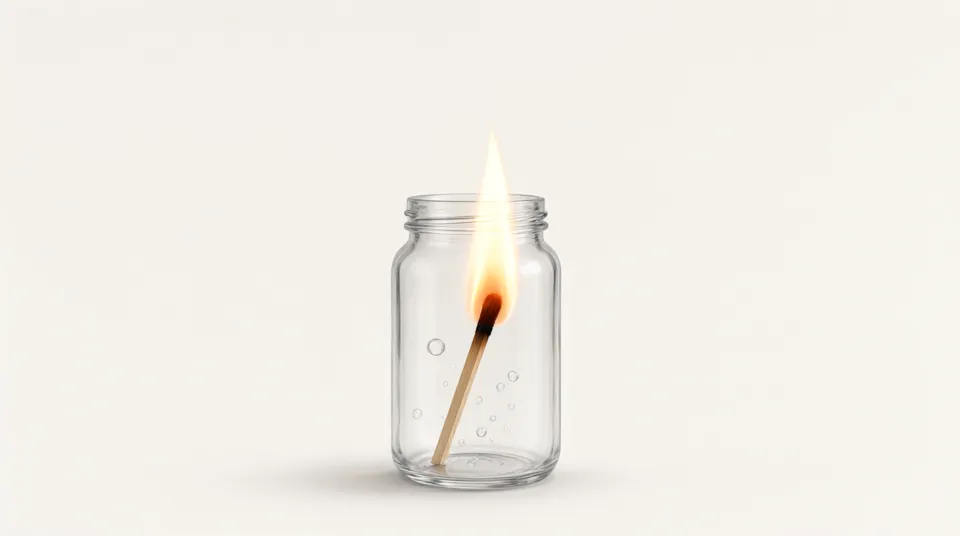
Preparing Carbon Dioxide
React limestone with dilute hydrochloric acid
 Coming soon
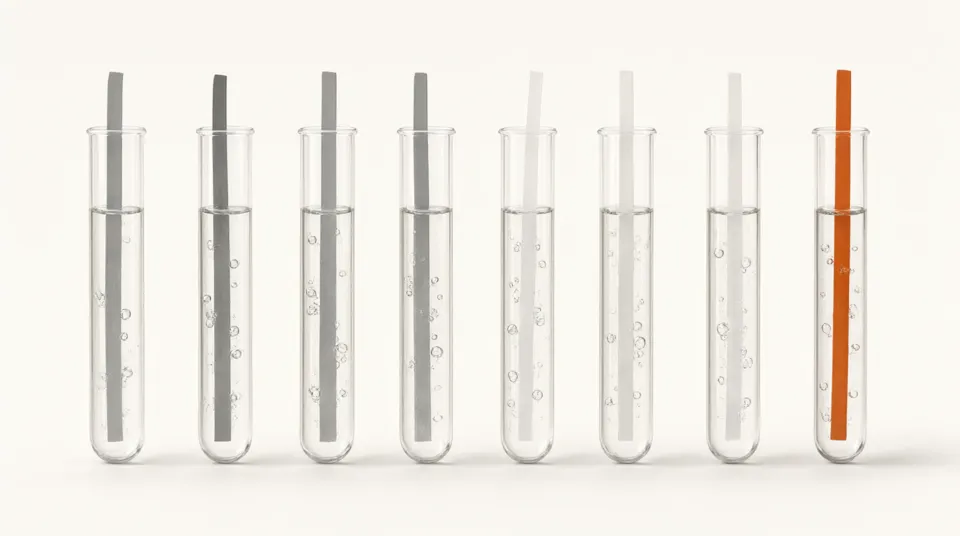
Oxygen and Combustion
Change the oxygen concentration and observe burning
 Coming soon
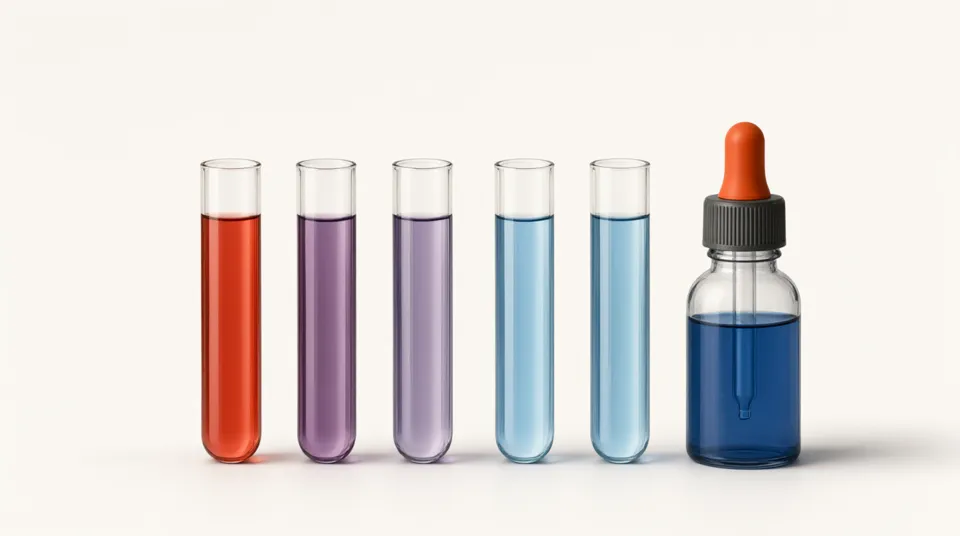
Metal Reactivity Series
React metals with acids and salt solutions
 Coming soon
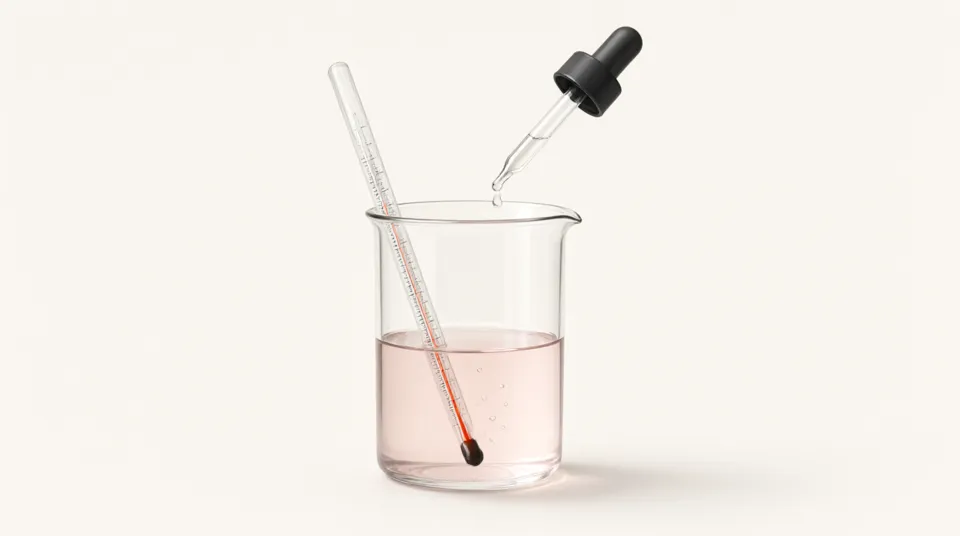
Acid-Base Indicators
Add litmus or phenolphthalein and observe the color
 Coming soon
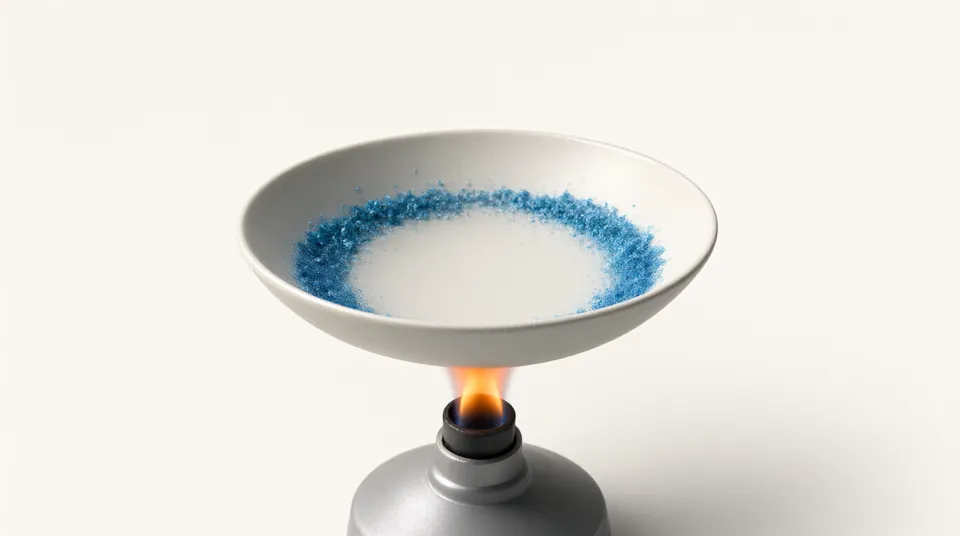
Neutralization
Add acid to base and watch temperature and pH
 Coming soon
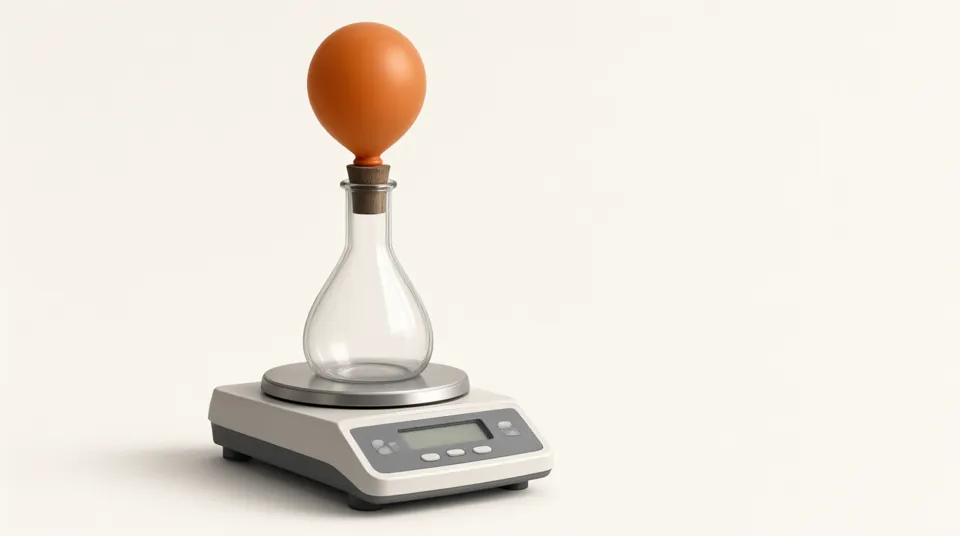
Crystallization and Evaporation
Model cooling and evaporative crystallization
 Coming soon
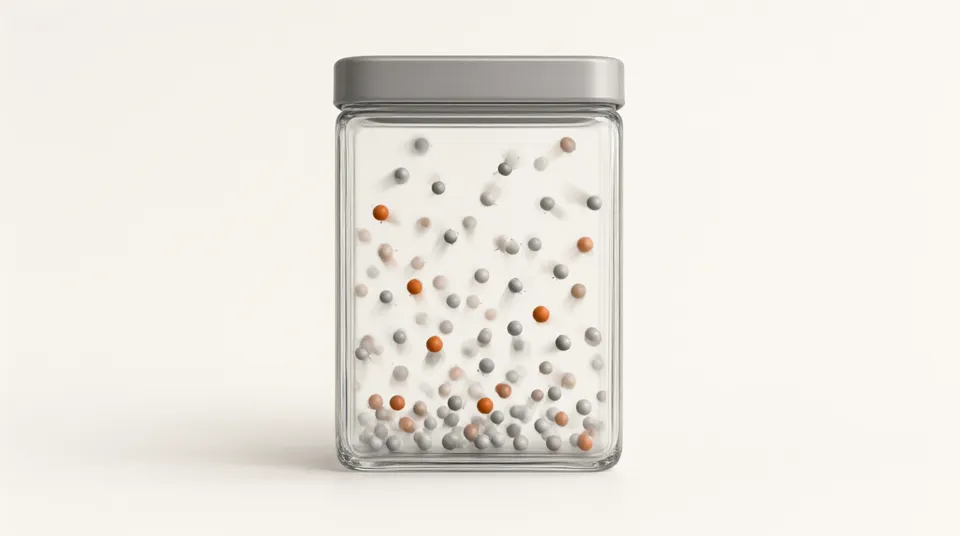
Conservation of Mass
Compare total mass before and after a reaction
 Coming soon
Particle Motion
Adjust temperature and watch particles move
 Coming soon
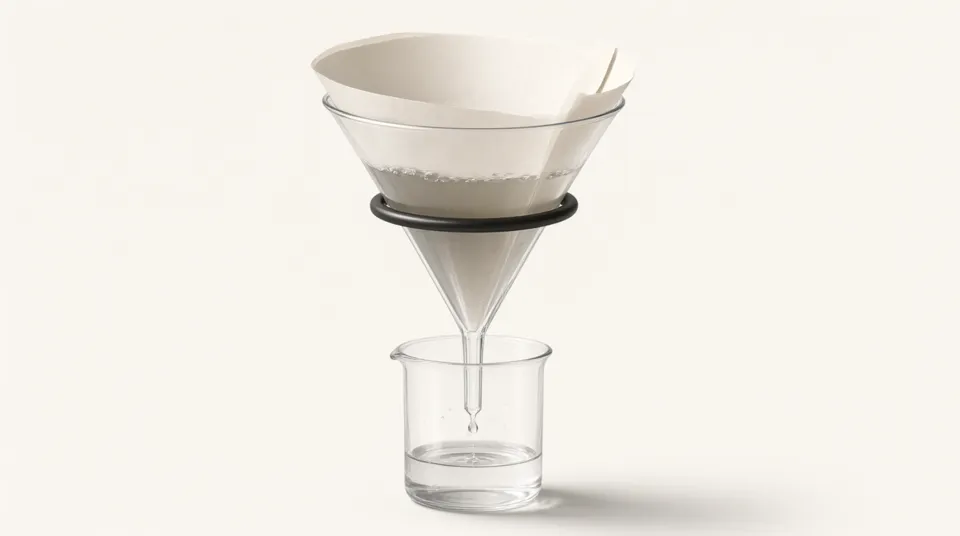
Filtration and Separation
Choose apparatus to separate mixtures
 Coming soon
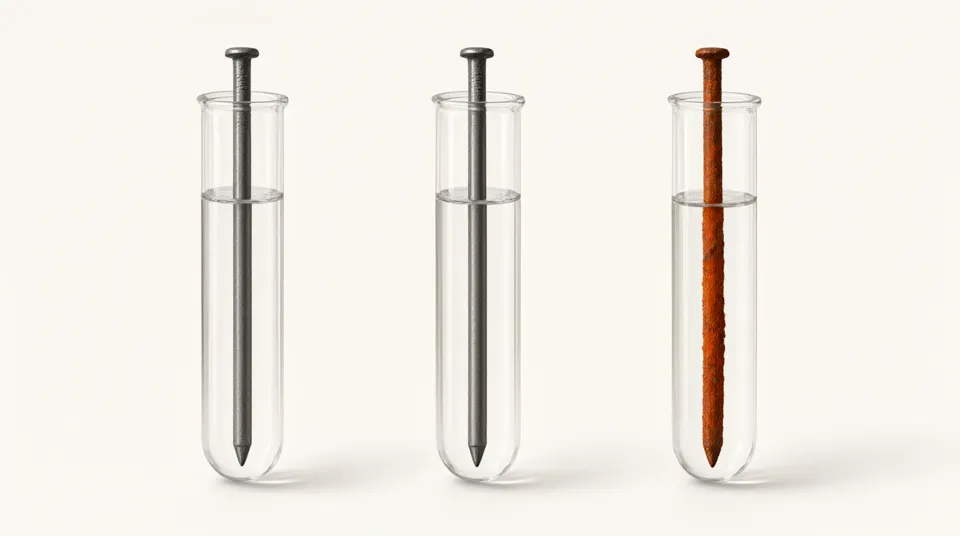
Rusting of Iron
Change water and oxygen conditions
 Coming soon
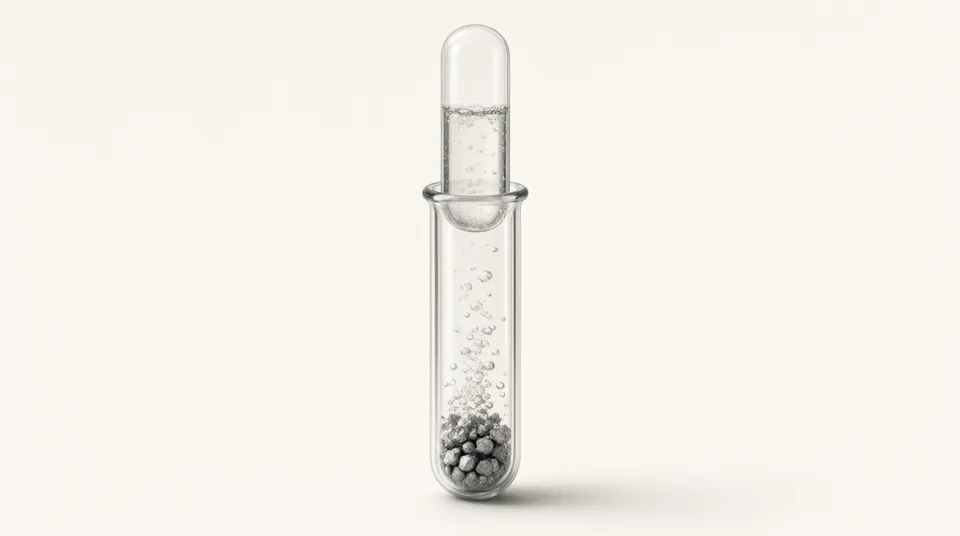
Preparing Hydrogen
React zinc with dilute acid and test the gas
 Coming soon
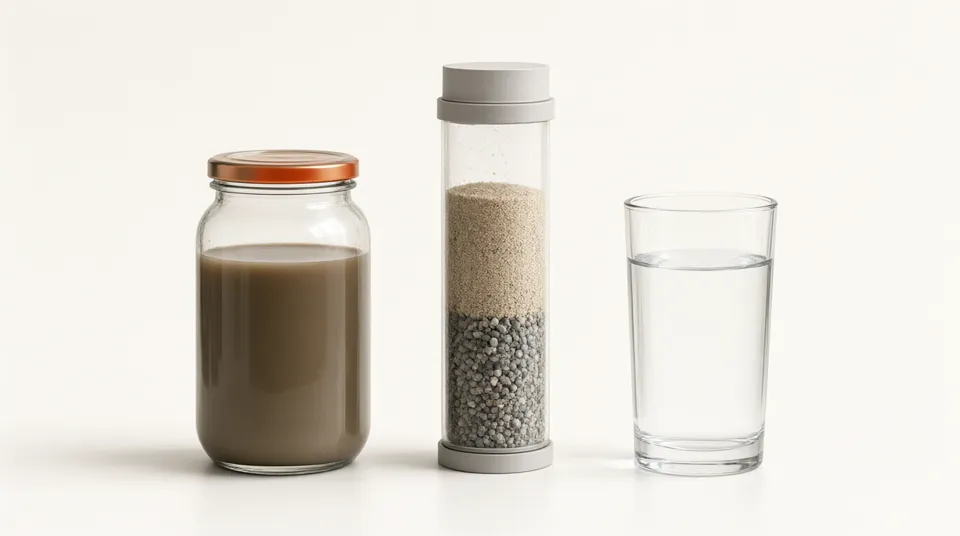
Water Purification
Settle, filter, adsorb and disinfect water
 Coming soon
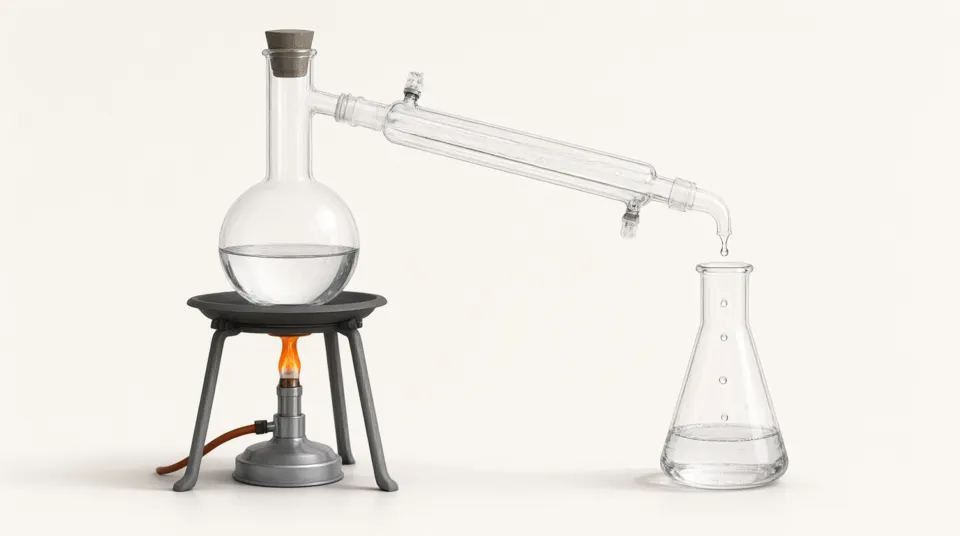
Distillation
Separate liquids by boiling point
 Coming soon
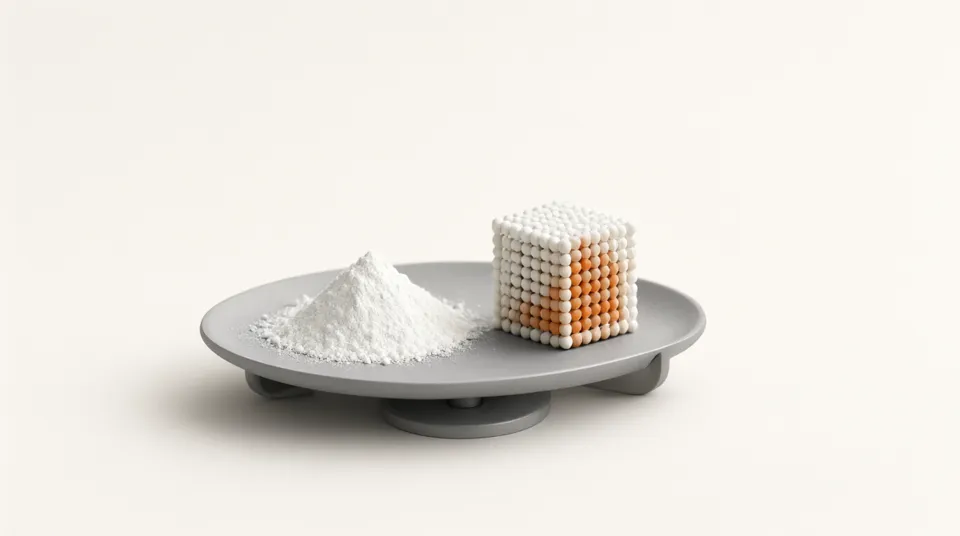
Moles and Avogadro's Number
Convert between mass, moles and particles
 Coming soon
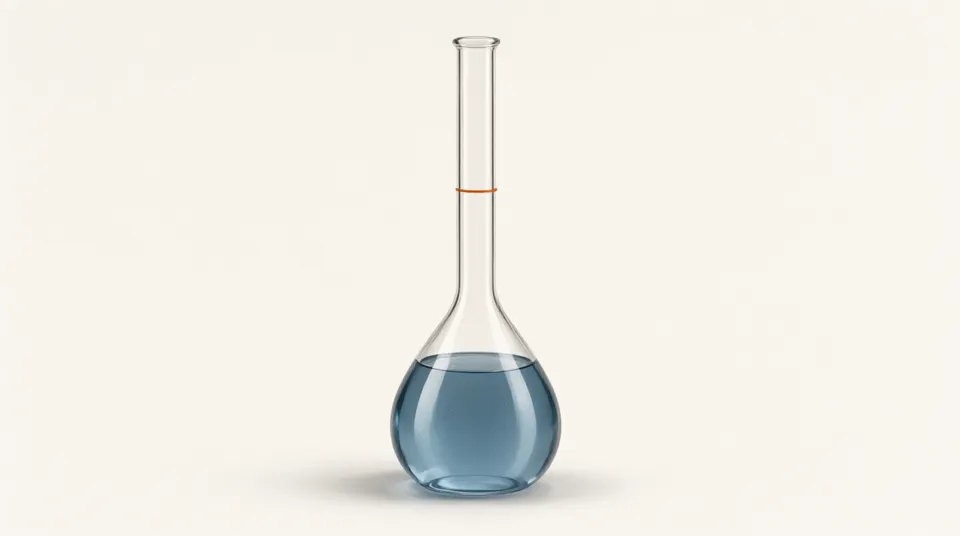
Preparing Solutions
Dissolve and dilute to a target concentration
 Coming soon
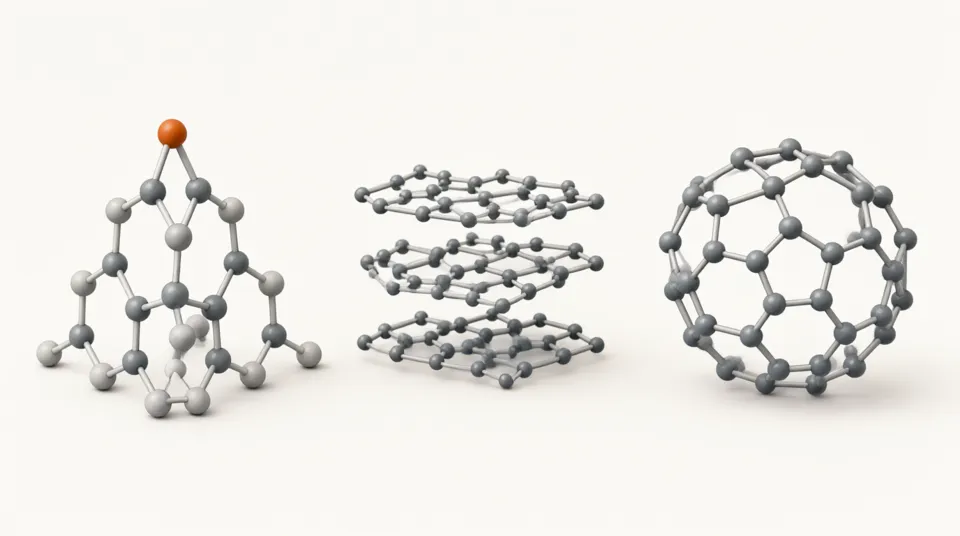
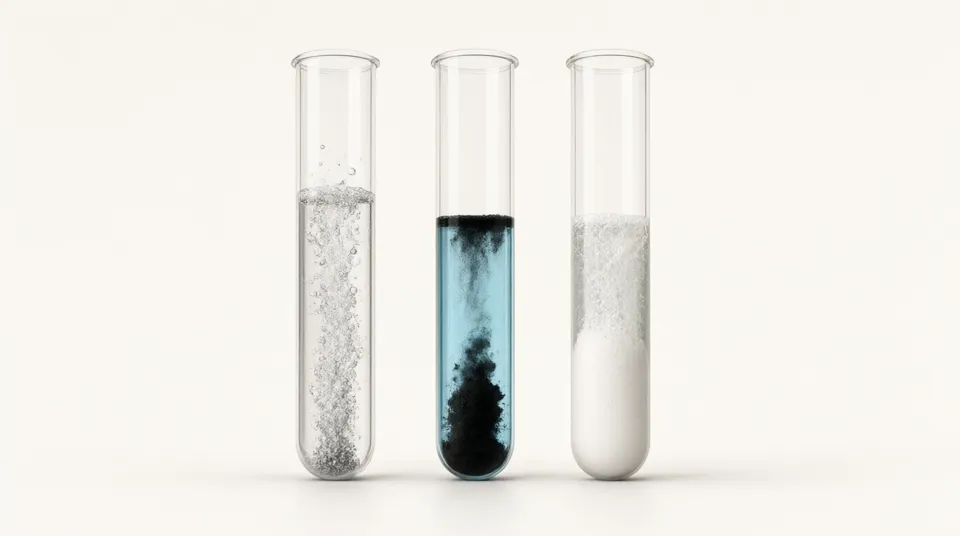
Allotropes of Carbon
Compare diamond, graphite and fullerene
 Coming soon
Reactions of Acids
React acids with metals, oxides and carbonates
 Coming soon
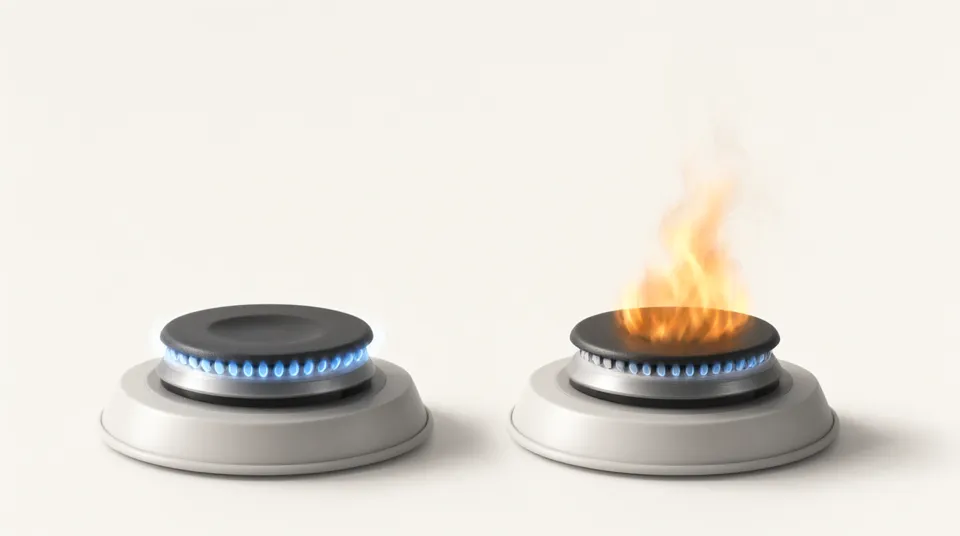
Fuels and Combustion
Compare complete and incomplete burning
 Coming soon
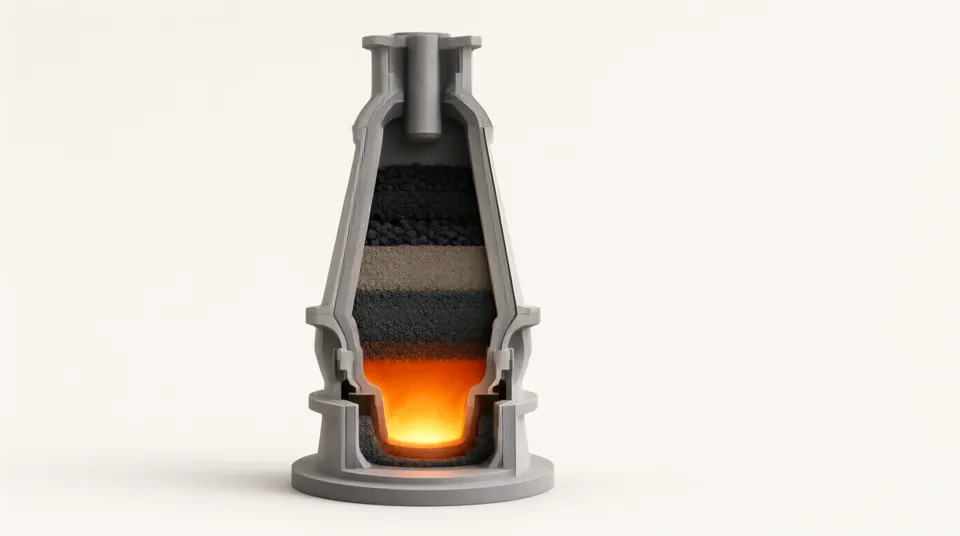
Extracting Iron
Reduce iron ore in a blast furnace
 Coming soon
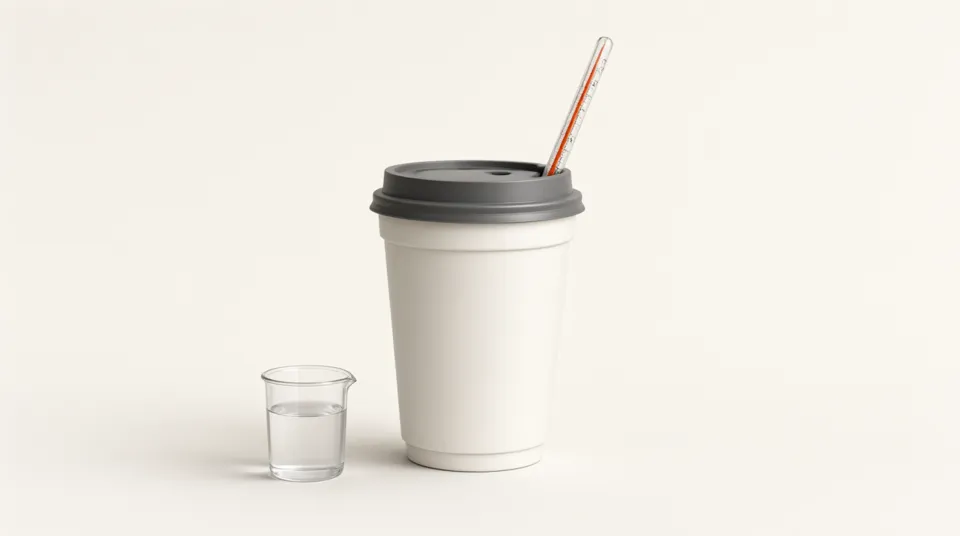
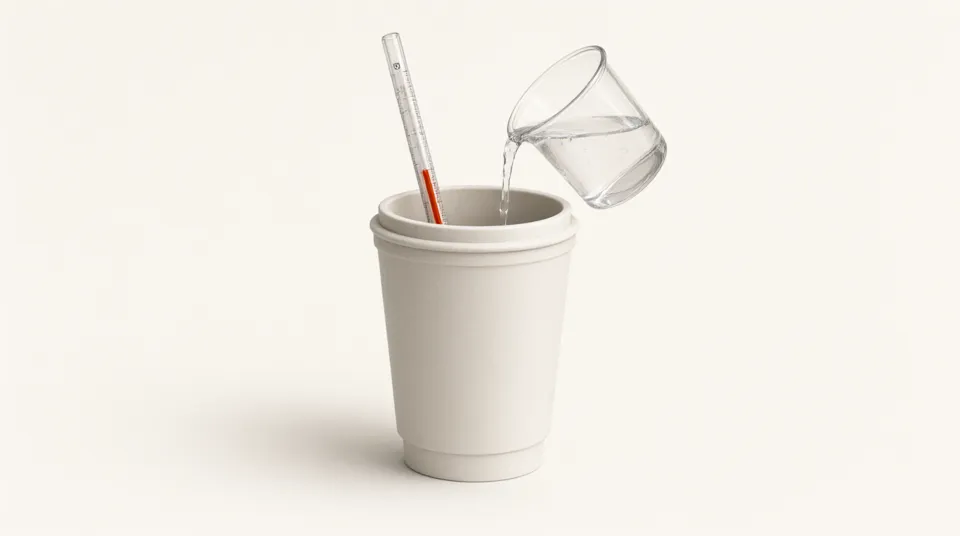
Exothermic and Endothermic Reactions
Mix reactants in a cup and track the temperature change
High school9/41
Electron Configuration
Fill energy levels and orbitals
 Free
Molecular Geometry in 3D
Rotate molecules and read their bond angles
Reaction Rate
Change concentration, temperature and catalyst
Chemical Equilibrium Shifts
Adjust temperature, pressure and concentration
 Free
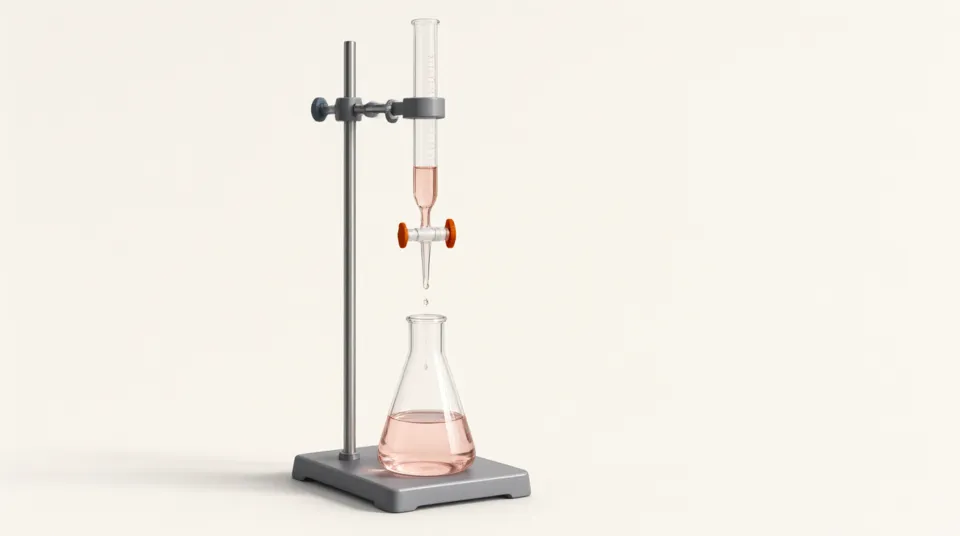
Acid-Base Titration
Control the burette and plot the titration curve
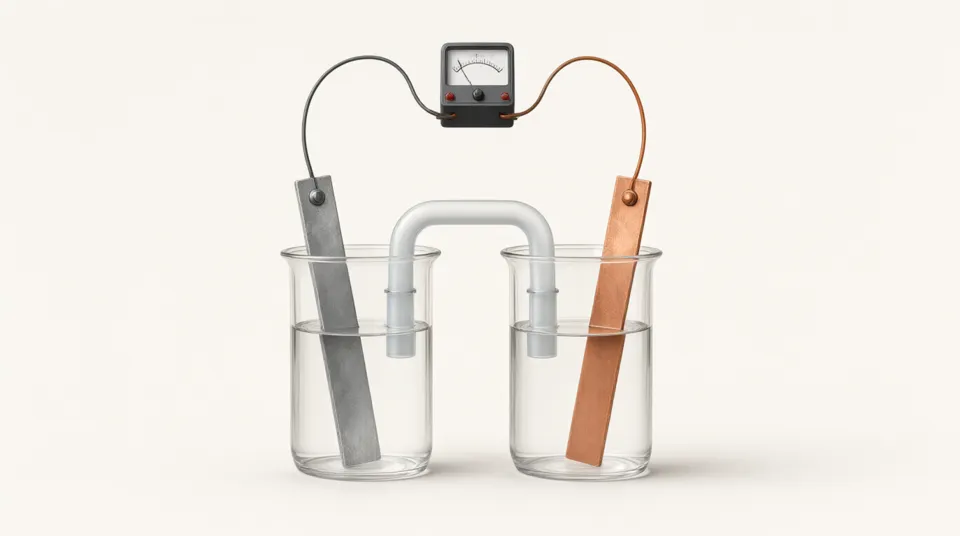
Galvanic Cell
Pair electrodes and electrolytes and read the voltage
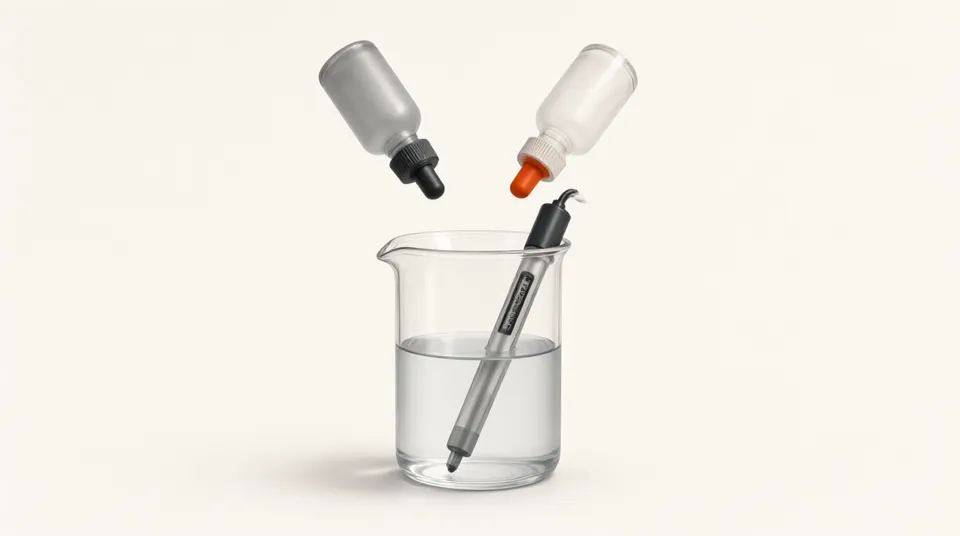
Buffer Solutions
Add acid or base and watch the pH hold steady
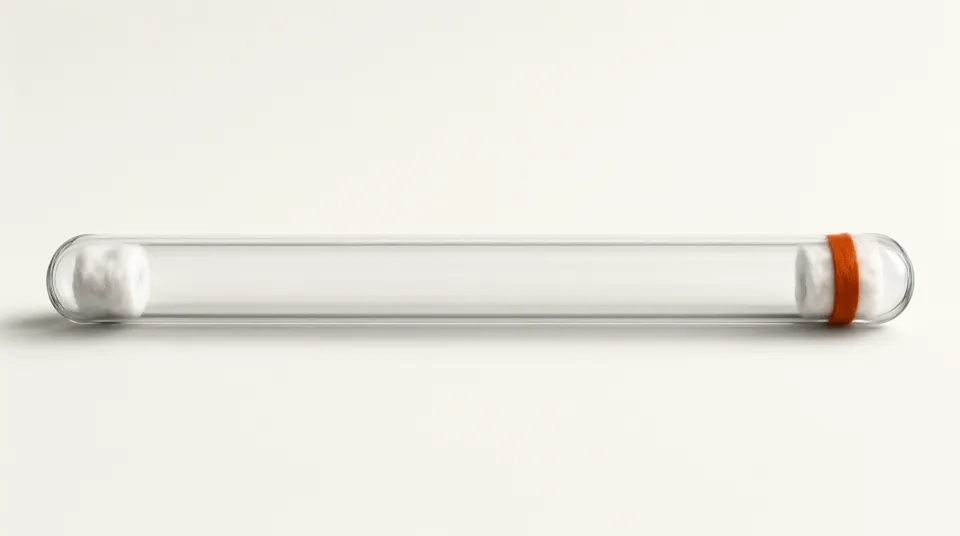
Gas Diffusion
Release ammonia and hydrogen chloride and find where they meet
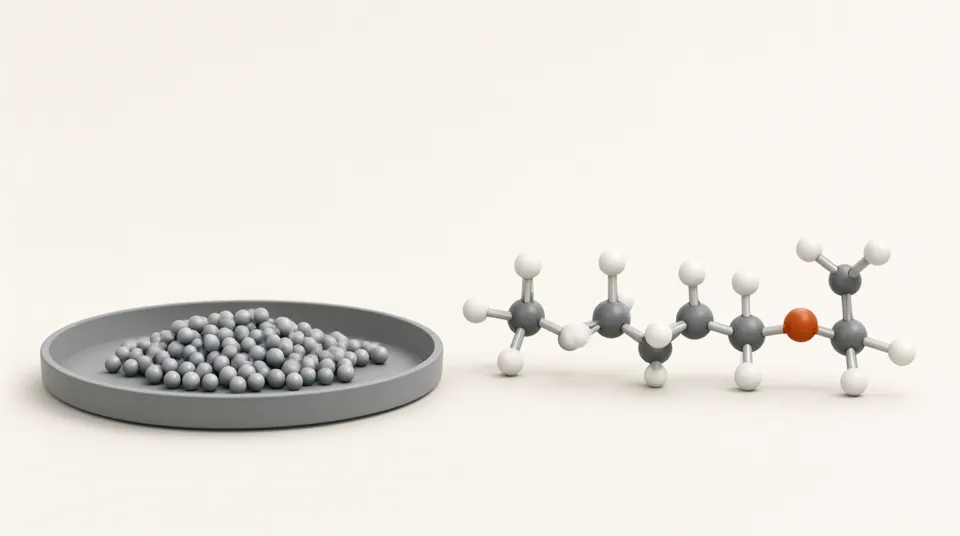
Limiting Reactant and Yield
Combine reactants and find which one runs out first
 Coming soon
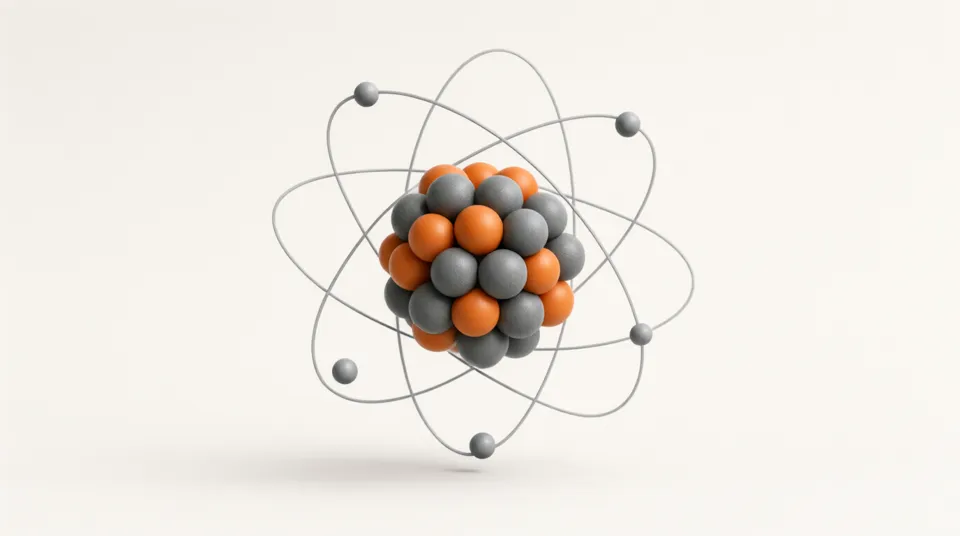
Atomic Structure
Adjust protons, neutrons and electrons
 Coming soon
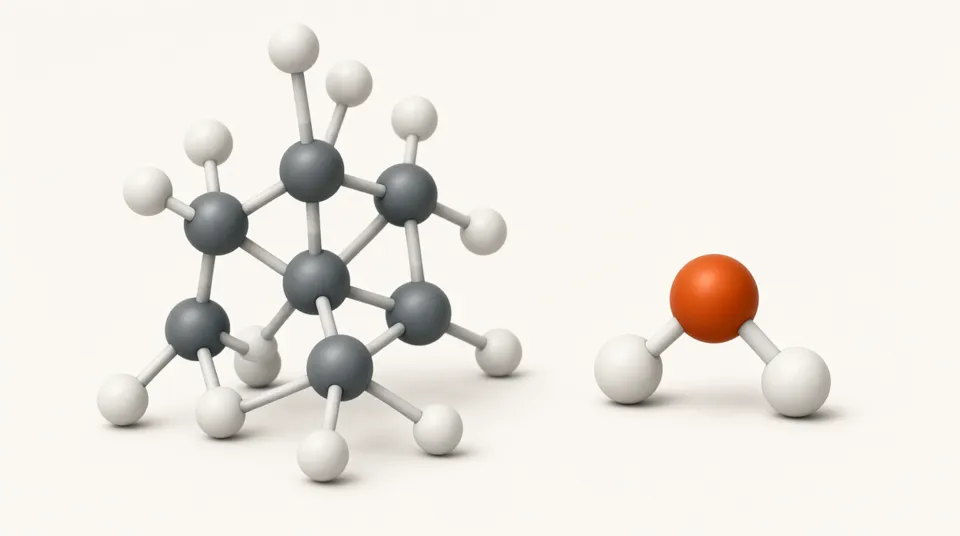
Chemical Bonding
Form ionic and covalent bonds
 Coming soon
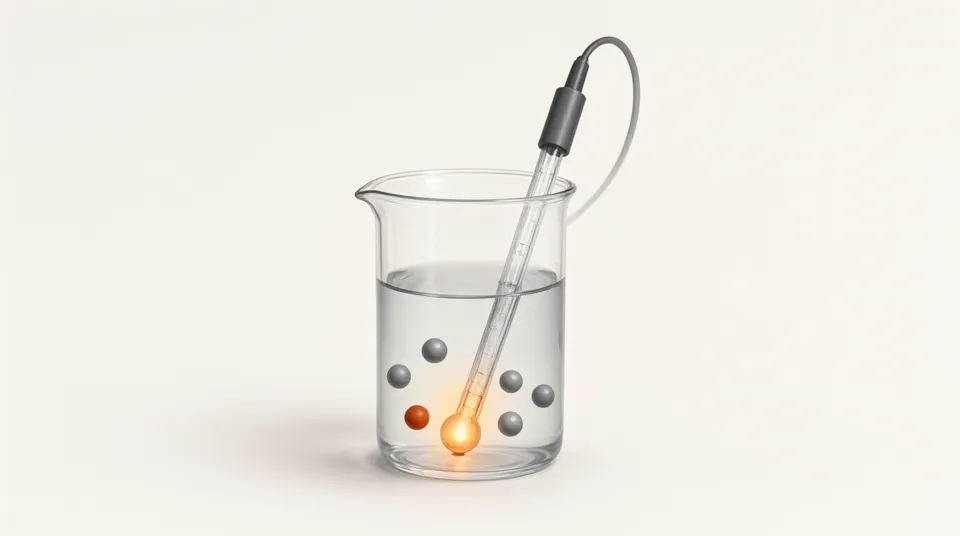
Weak Electrolyte Ionization
Change concentration and observe the ionization equilibrium
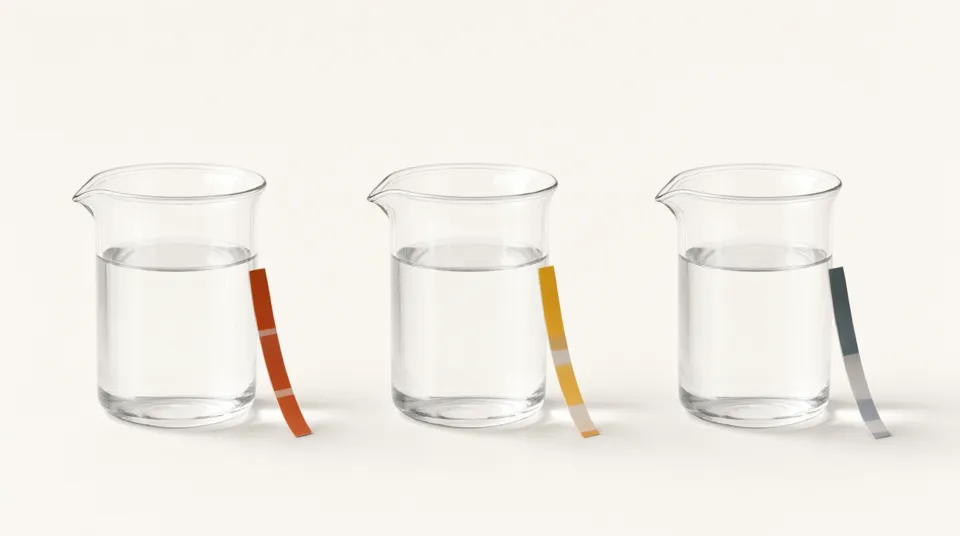 Coming soon
Salt Hydrolysis
Change the salt and its concentration and observe pH
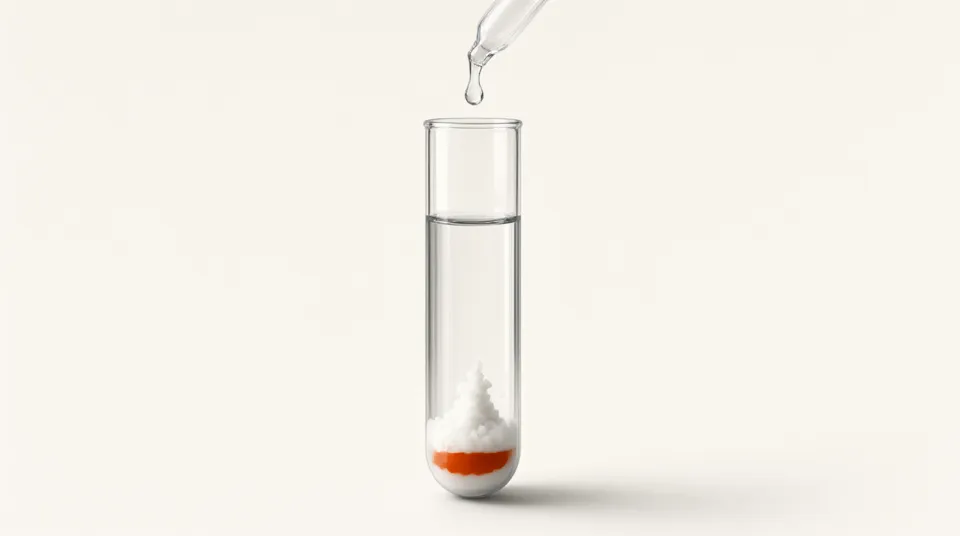 Coming soon
Precipitation-Dissolution Equilibrium
Model ion concentrations and precipitate formation
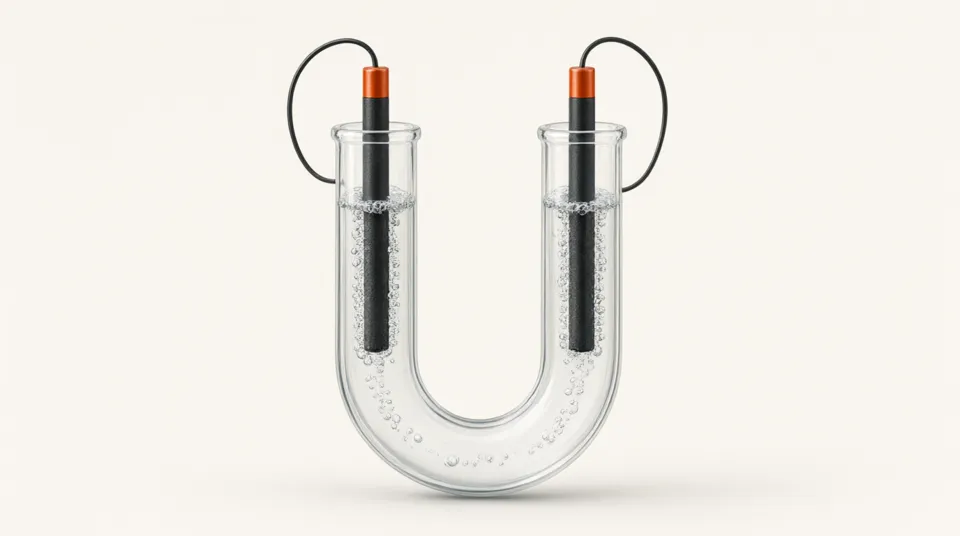 Coming soon
Electrolytic Cell
Change electrodes, electrolyte and voltage
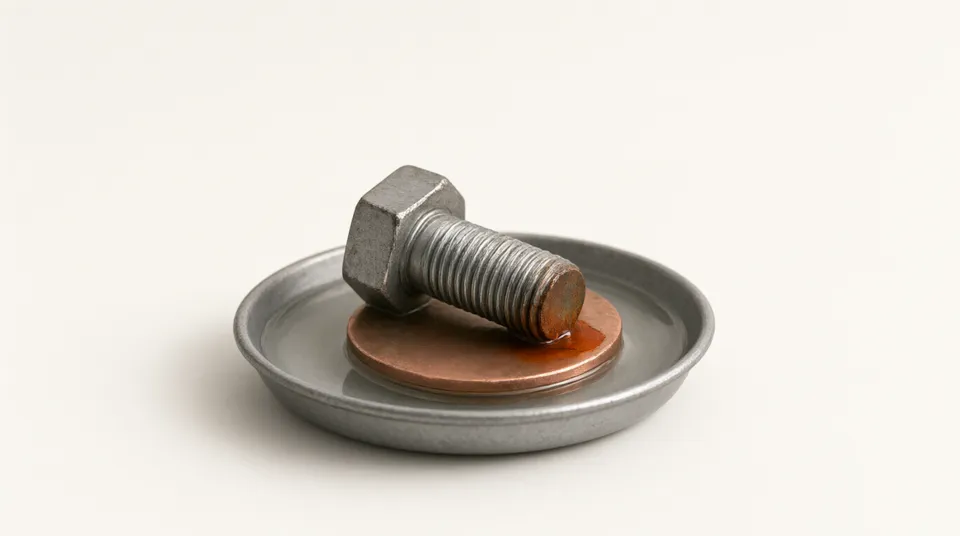 Coming soon
Electrochemical Corrosion
Model corrosion in different environments
 Coming soon
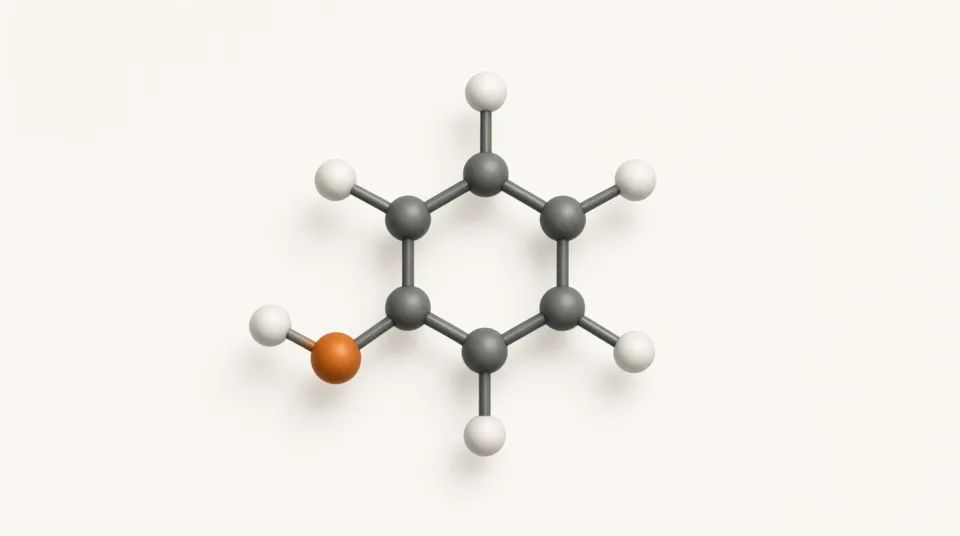
Organic Molecule Structures
Build carbon chains, functional groups and isomers
 Coming soon
Reaction Heat and Enthalpy
Draw energy diagrams for exothermic and endothermic reactions
 Coming soon
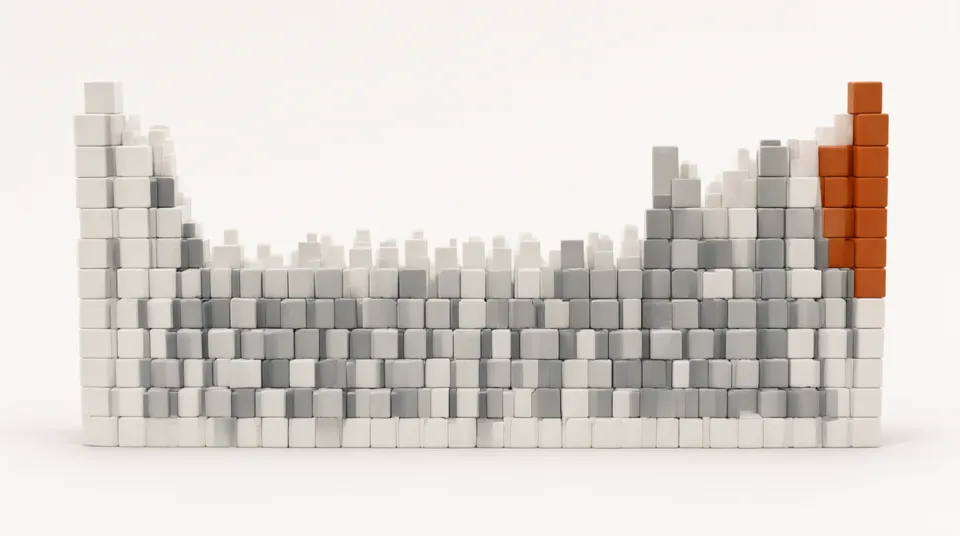
Periodic Table Trends
Map atomic radius, ionization energy and electronegativity
 Coming soon
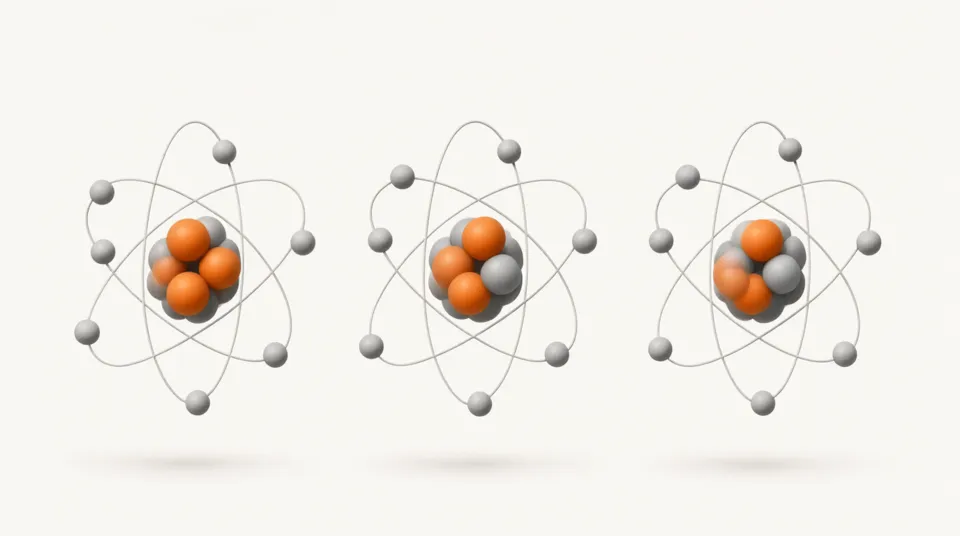
Isotopes and Relative Atomic Mass
Mix isotopes and compute the average mass
 Coming soon
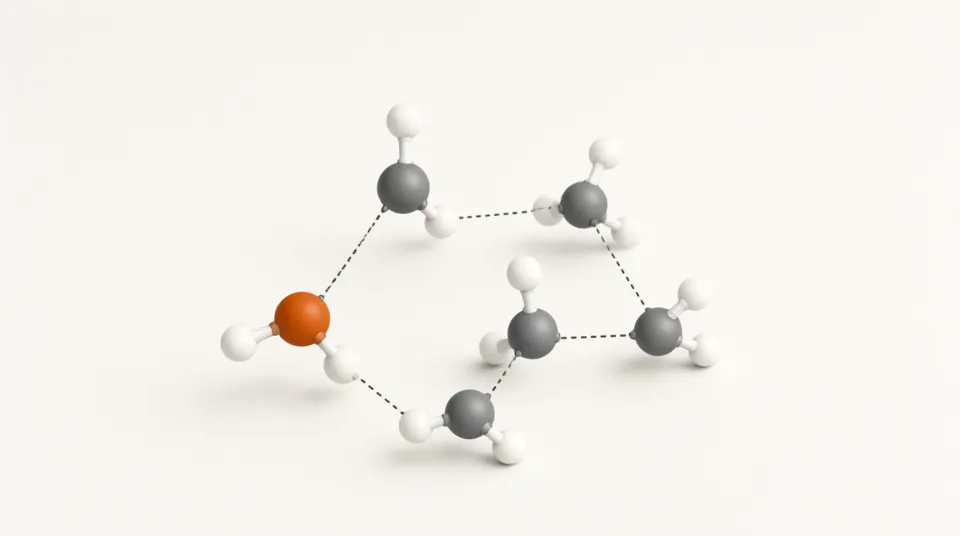
Intermolecular Forces
Compare boiling points and hydrogen bonding
 Coming soon
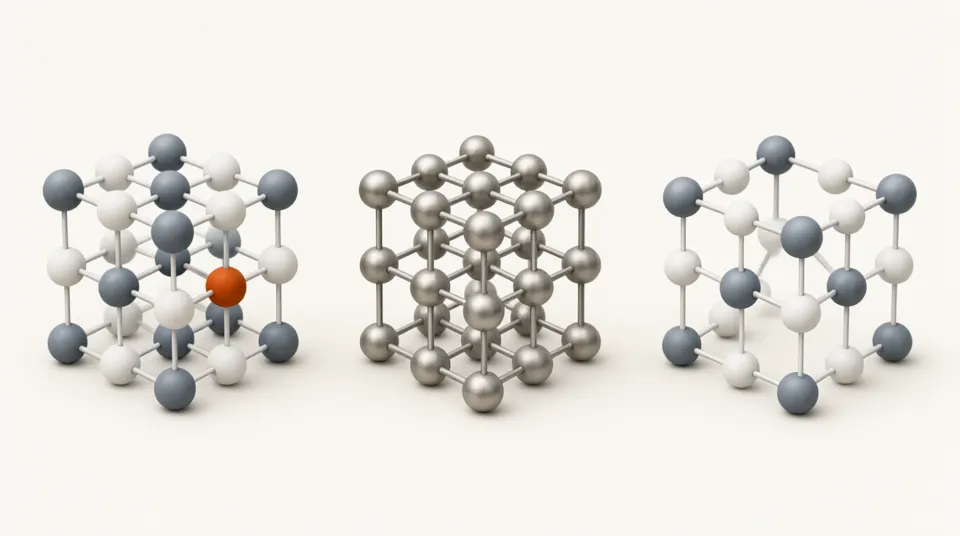
Crystal Structures
Rotate ionic, metallic and molecular lattices
 Coming soon
Redox Reactions
Track electron transfer and oxidation states
 Coming soon
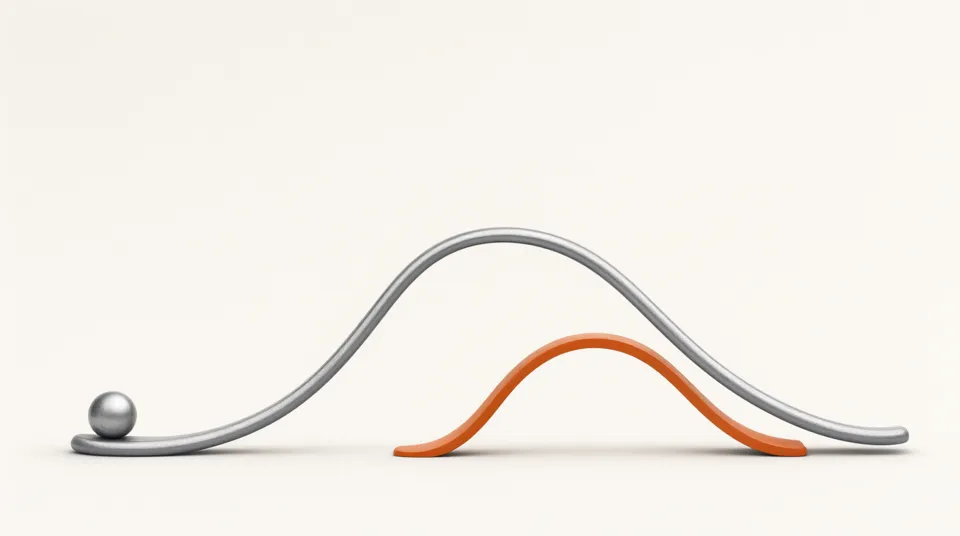
Activation Energy and Catalysts
Lower the energy barrier with a catalyst
 Coming soon
Rate Laws and Reaction Order
Change concentrations and fit the rate law
 Coming soon
Hess's Law
Combine reaction steps to find the overall enthalpy
 Coming soon
Ammonia Synthesis
Tune temperature and pressure for yield and rate
 Coming soon
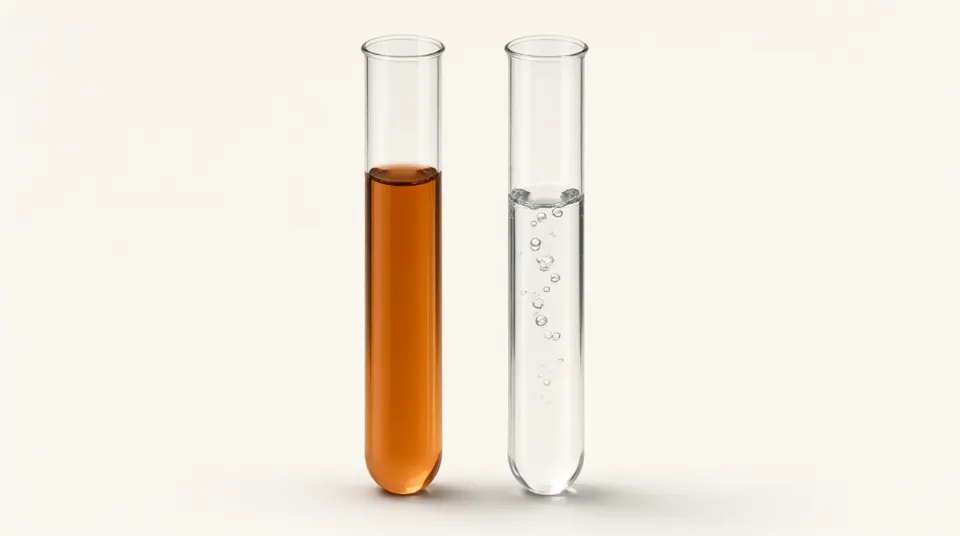
Identifying Ions
Run precipitate and gas tests on unknown solutions
 Coming soon
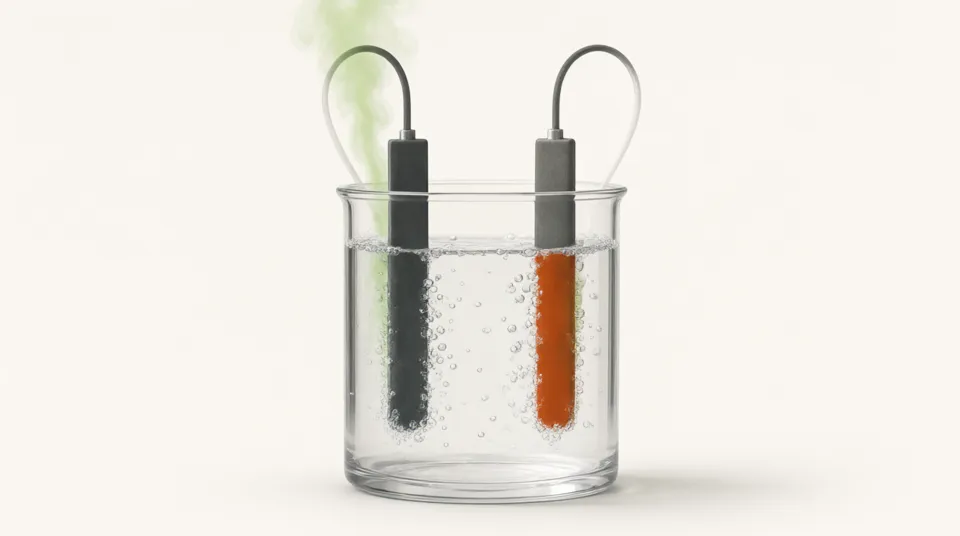
Electrolysis of Brine
Produce chlorine, hydrogen and sodium hydroxide
 Coming soon
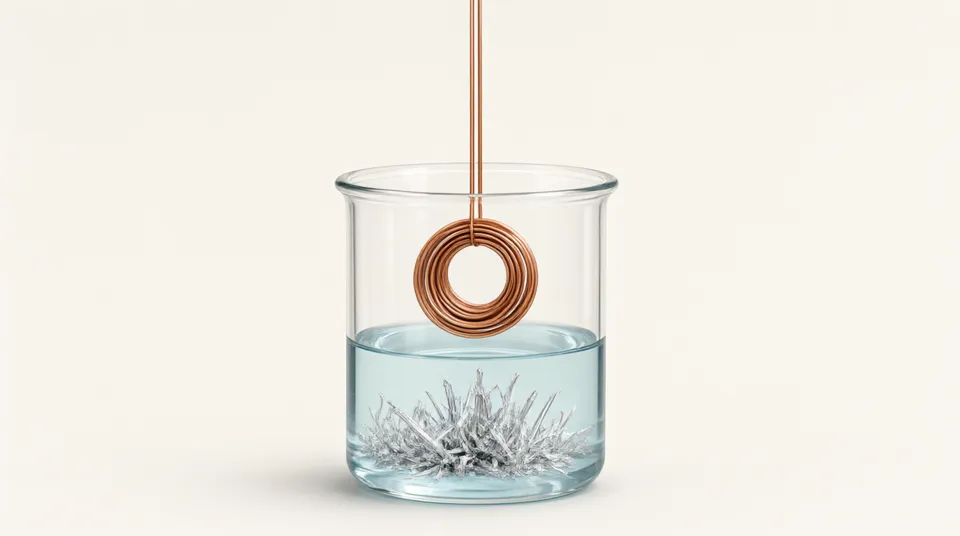
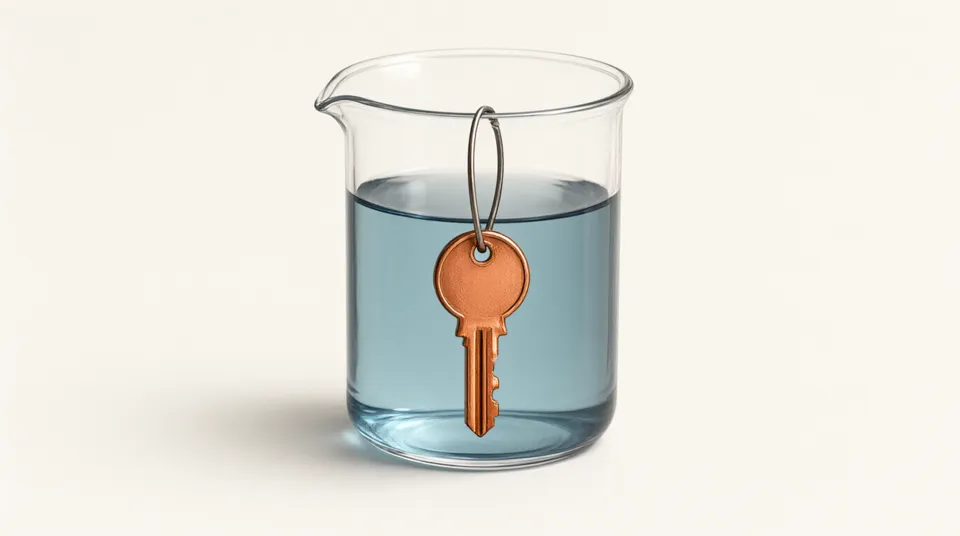
Electroplating
Coat a metal object with copper
 Coming soon
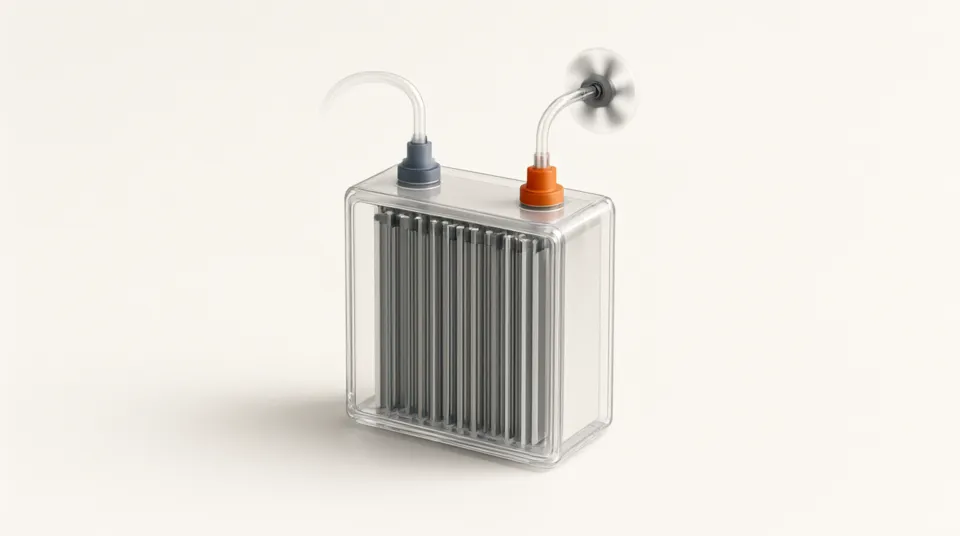
Hydrogen Fuel Cell
Turn hydrogen and oxygen into electricity
 Coming soon
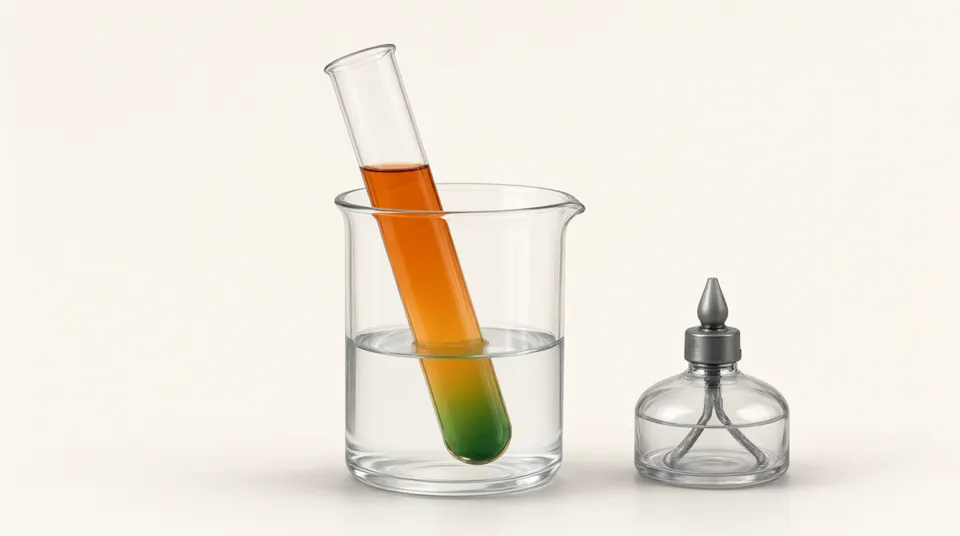
Alkene Addition Reactions
Decolorize bromine water with ethene
 Coming soon
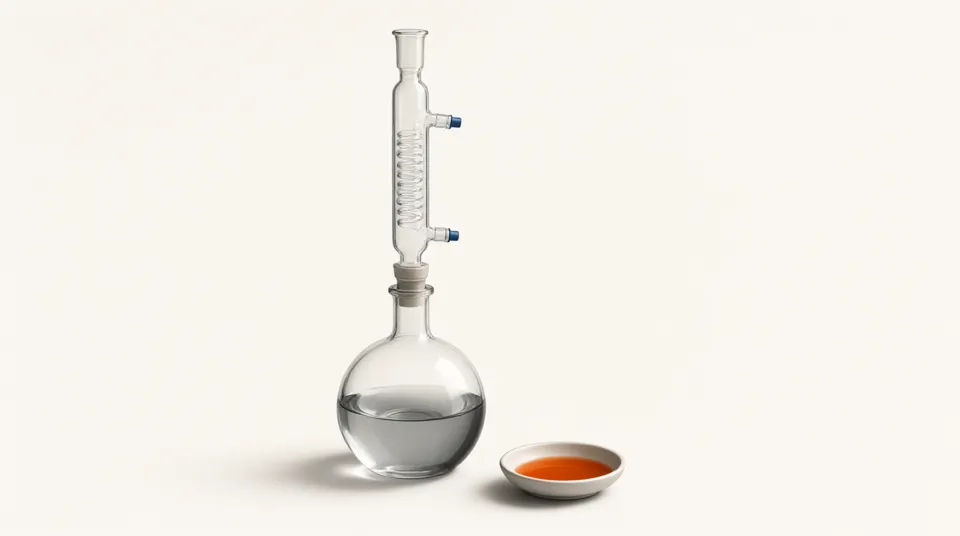
Oxidation of Alcohols
Oxidize ethanol to an aldehyde and an acid
 Coming soon
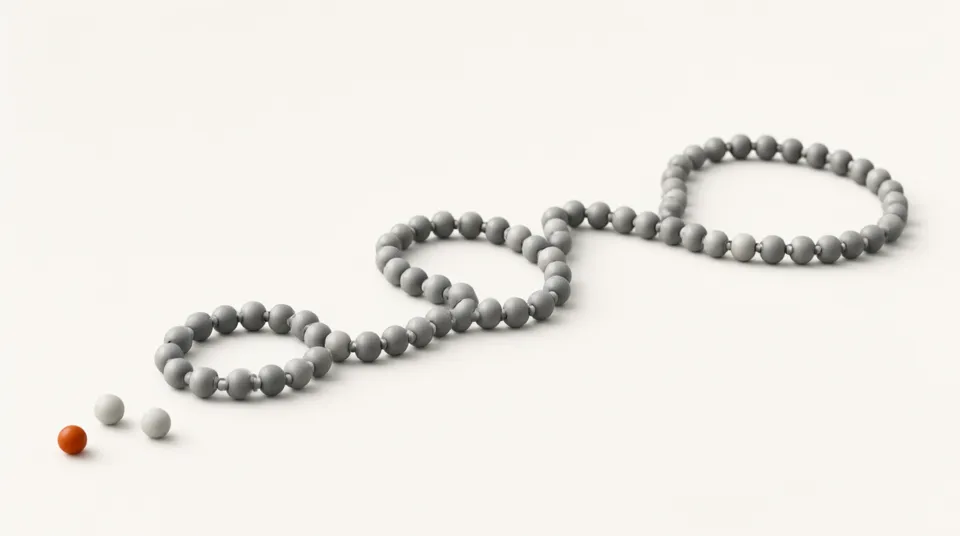
Esterification
Combine an acid and an alcohol and shift the equilibrium
 Coming soon
Polymerization
Link monomers into polymer chains
 Coming soon
Acid Rain
Trace sulfur and nitrogen oxides into rainwater
 Coming soon
Empirical Formula from Mass Data
Burn magnesium and work out the formula of the product
 Coming soon
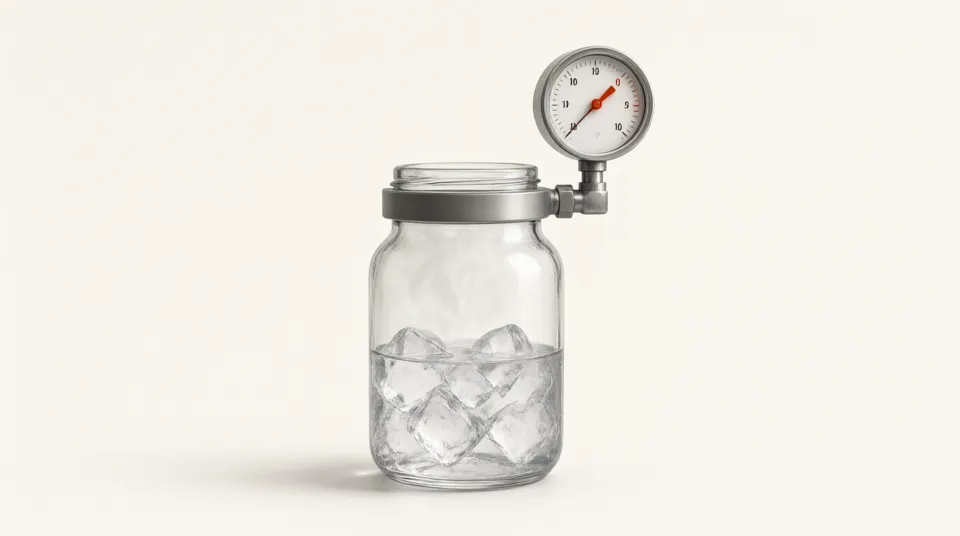
Phase Diagrams
Move through pressure and temperature to change state
 Coming soon
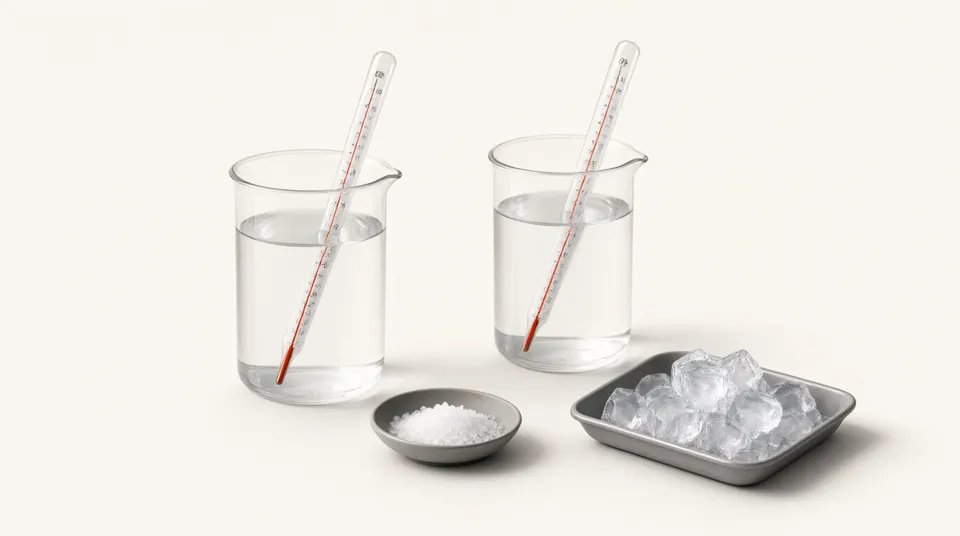
Boiling Point Elevation and Freezing Point Depression
Dissolve a solute and watch the boiling and freezing points shift
 Coming soon
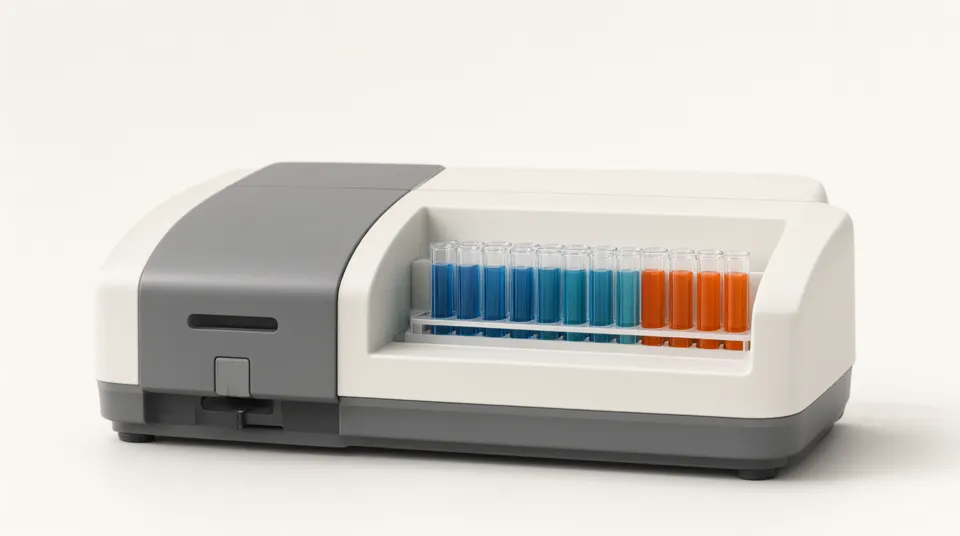
Spectrophotometry and Beer's Law
Measure absorbance and find an unknown concentration
 Coming soon
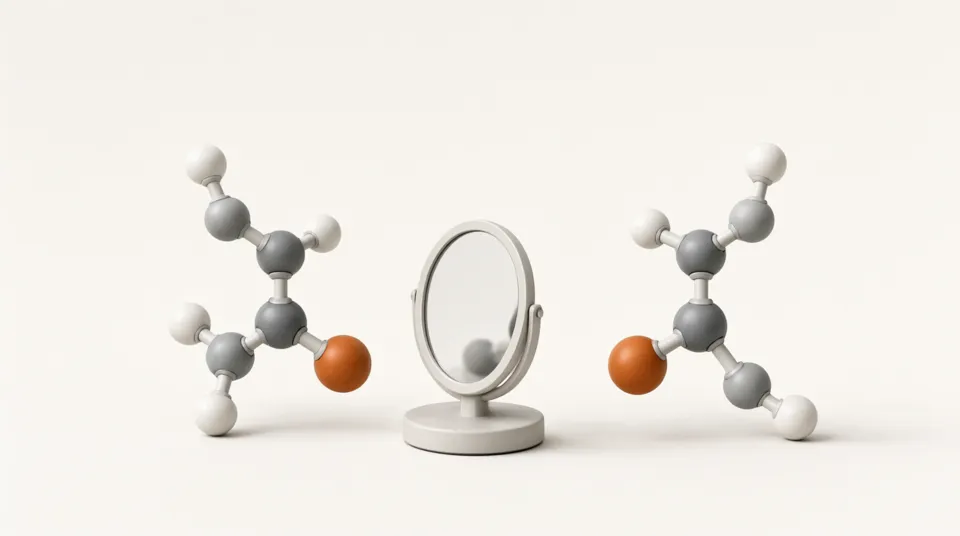
Isomers and Chirality
Build mirror-image molecules and compare their structures
University1/7
 Coming soon
Molecular Orbital Diagrams
Fill bonding and antibonding orbitals and find the bond order
 Coming soon
Consecutive Reactions
Follow A to B to C and find when the intermediate peaks
 Coming soon
Gibbs Free Energy and Spontaneity
Change the enthalpy, entropy and temperature and predict spontaneity
 Coming soon
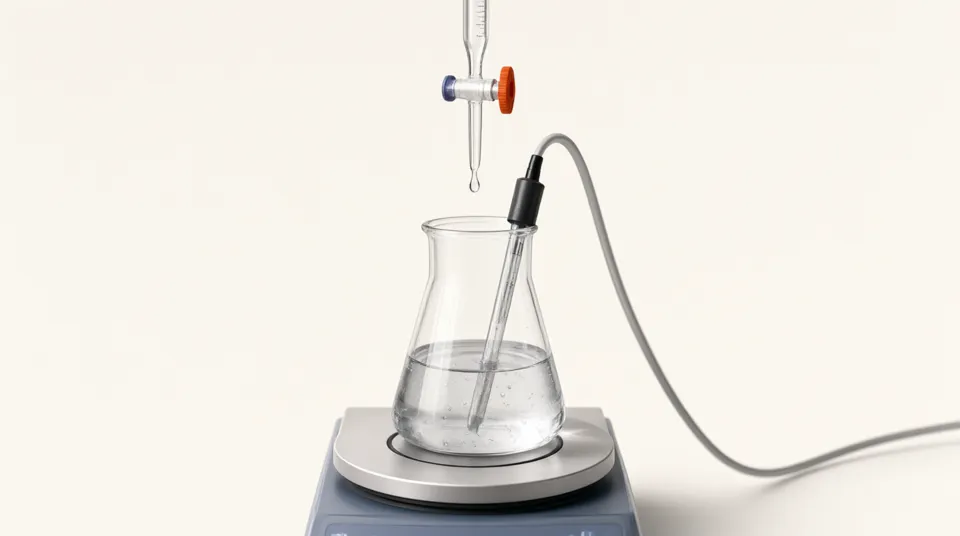
Polyprotic Acid Titration
Titrate phosphoric acid and find each equivalence point
 Coming soon
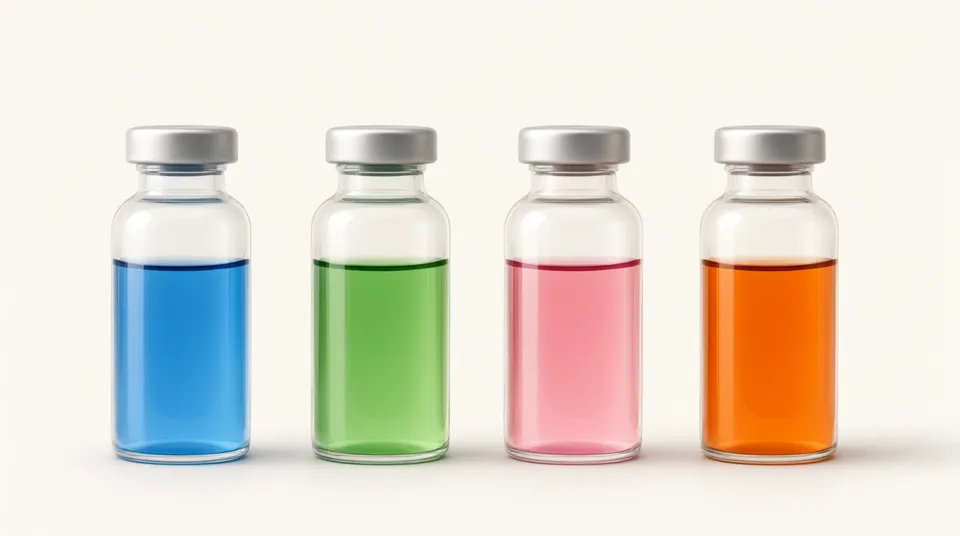
Crystal Field Splitting
Split the d orbitals and predict the color of complexes
 Coming soon
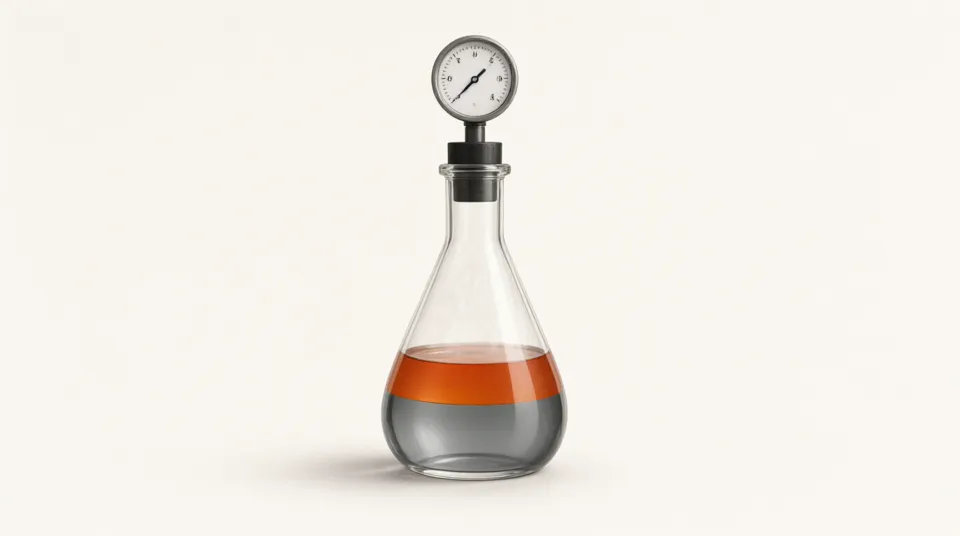
Raoult's Law and Vapor Pressure
Mix two liquids and draw the vapor pressure diagram